

Wheel Loader Durability: Optimal Capacity to Minimize Downtime.
Introduction: The Criticality of Uptime
The difference between a successful project and a financial disaster often hinges on machine uptime. Unlike slow-moving depreciation, unplanned downtime creates an immediate and catastrophic drain on resources. For operations relying on continuous material handling, every minute a wheel loader is idled translates directly into lost revenue and contractual penalties. Therefore, the single most valuable metric is a machine’s inherent durability. To begin your research, explore our range of high-durability new wheel loaders.
Why Reliability is the Operator’s True Currency
Reliability is not merely about avoiding breakdowns; it’s about predictable operational expenditure (OpEx). Crucially, a durable machine sustains a low and stable Maintenance Cost (MC) throughout its lifecycle, drastically improving your Total Cost of Ownership (TCO) and ROI.
Understanding the Durability Lifecycle: Design, Stress, and Mitigation
The durability of a loader is a measurable output of three interconnected stages: robust factory design, effective stress management during operation, and proactive maintenance mitigation. We will dissect how to control all three variables to maximize your fleet’s longevity.
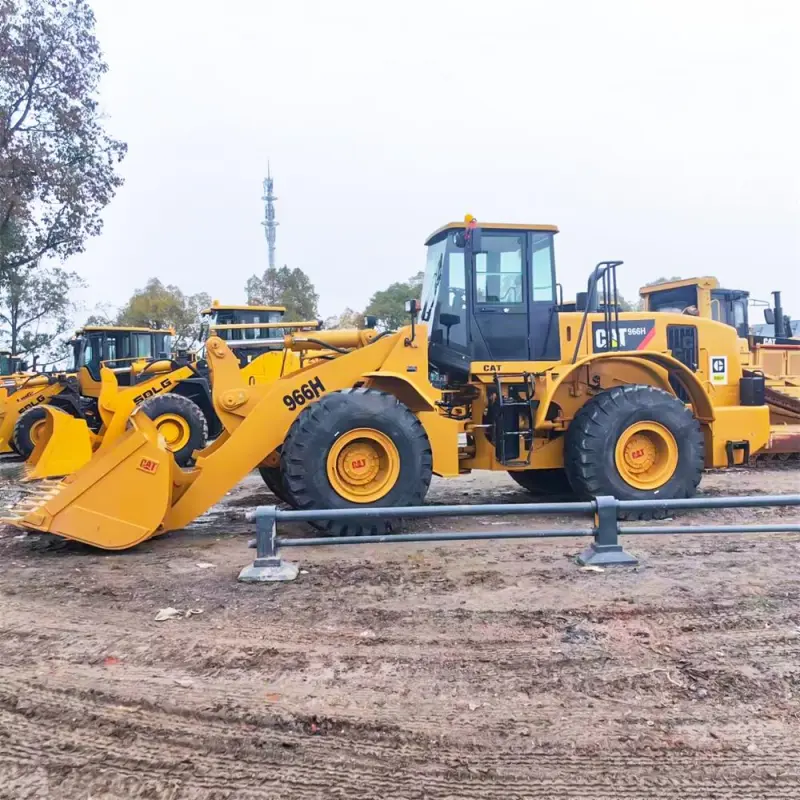
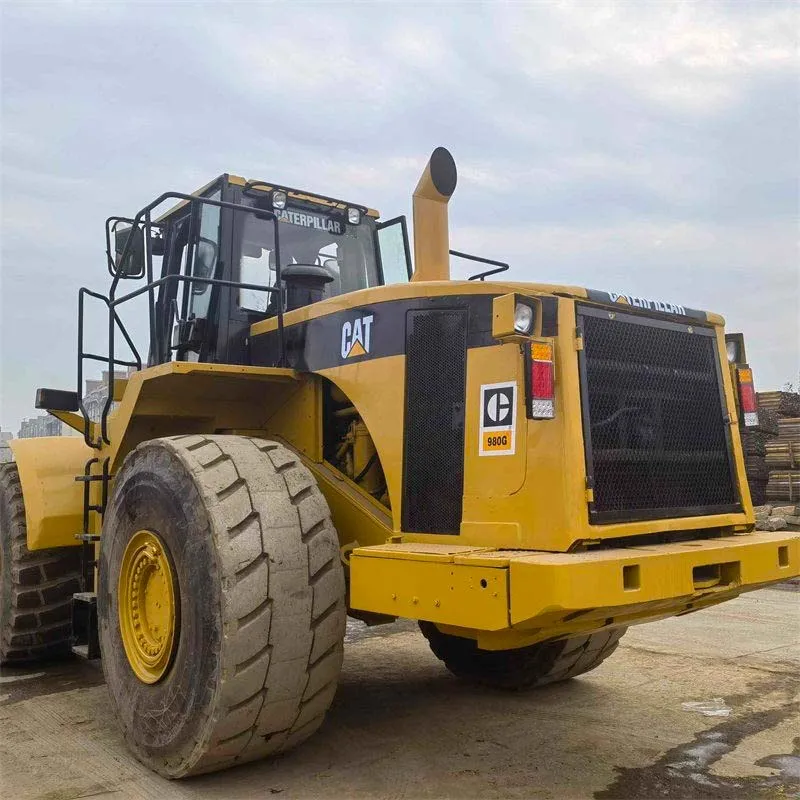
Section 1: Sizing the Machine – Preventing Application Mismatches
Fundamentally, the primary catalyst for premature wheel loader failure is misapplication—specifically, routinely forcing a machine to operate outside its designed load capacity. Addressing this ensures the longevity of every other component.
The Load Factor Error and Accelerated Fatigue
Consequently, habitually using an undersized loader for oversized tasks puts immense, constant stress on the boom, hydraulic cylinders, and, most critically, the articulation joint. This accelerates fatigue failure across the entire chassis. Therefore, selecting the correct capacity involves precisely matching the loader’s Rated Operating Capacity (ROC) to the actual material density and required project output.
| Material Type | Density (kg/m3) | Optimal Loader Capacity (Example) | Durability Risk of Under-Sizing |
| Gravel/Crushed Stone | $1600 – 1800$ | 5-Ton Loader | Hydraulic seal failure, boom cracking. |
| Coal/Light Material | $700 – 900$ | 3-Ton Loader (with larger bucket) | Low risk, but cycle time may suffer. |
| Heavy Ore/Rock | $2500 – 3000$ | 6-Ton+ Loader (special rock bucket) | Frame failure at the articulation joint. |
The Principle of Optimized Cycle Time
Durability is directly proportional to minimizing stressful cycles. Fleet managers must calculate the required machine size based on the project’s Material Transfer Rate (Cubic Meters per Hour). Conversely, undersizing forces the operator to run aggressive, high-stress cycles to meet quotas, spiking the likelihood of failure.
Bucket Geometry and Edge Wear Management
Furthermore, bucket geometry (rock, general-purpose, light material) significantly influences the load distribution on the hydraulic system and the lifespan of the leading edge. Using a thin-walled general-purpose bucket for heavy rock mining guarantees excessively high TCO due to constant repair and replacement schedules.
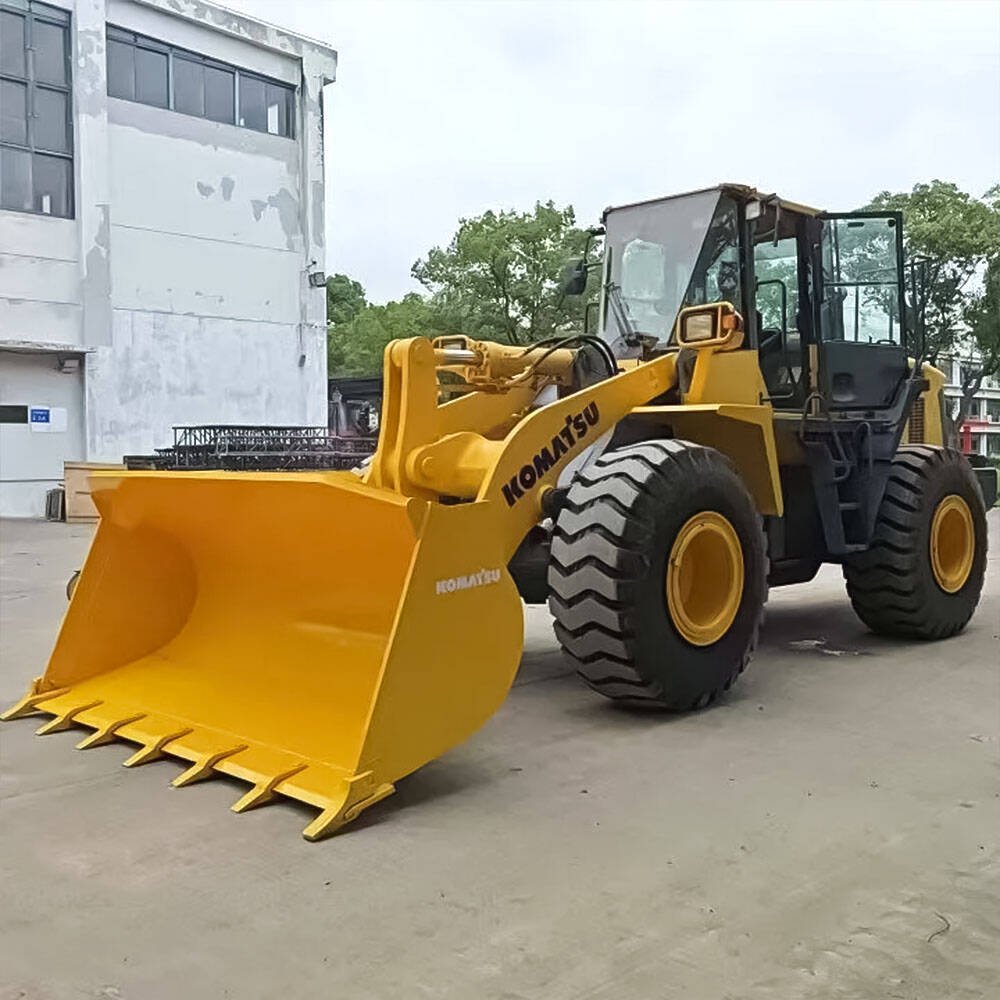

Section 2: Component Lifespan – Engineering for Endurance
The machine’s frame provides structure, but the power train and hydraulics are the critical systems dictating operational lifespan. Their intrinsic quality directly correlates to the machine’s durability profile.
Transmission and Axle Stress Mitigation
The engine (e.g., Weichai) must provide a robust torque curve to handle sudden load increases without stalling. However, the transmission and axles bear the brunt of operational stress:
Thermal Management: Crucially, effective oil temperature management within the transmission and torque converter is key. High heat is the primary cause of seal degradation and subsequent mechanical failure, leading to unexpected downtime.
Axle Load Compliance: Heavy-duty, reinforced axles (e.g., 20T) are mandatory for quarry applications. For contractual safety, ensure the axle’s static load rating meets or exceeds standards defined by organizations like the International Organization for Standardization (ISO) for your specific usage profile.
Hydraulic System Purity and Longevity
Consequently, the hydraulic system is often the most sensitive to operational environments. Durability hinges entirely on system cleanliness:
Multi-Stage Filtration: High-end loaders feature triple-stage filtration (return, suction, pressure filters) designed to rigorously shield high-precision pumps and valves from the minute contamination prevalent in dusty construction sites.
Seal Integrity: Inferior seals cause leaks, pressure loss, and eventually, cavitation—all of which rapidly degrade the system. Investing in superior sealing technology provides exponential returns on uptime.
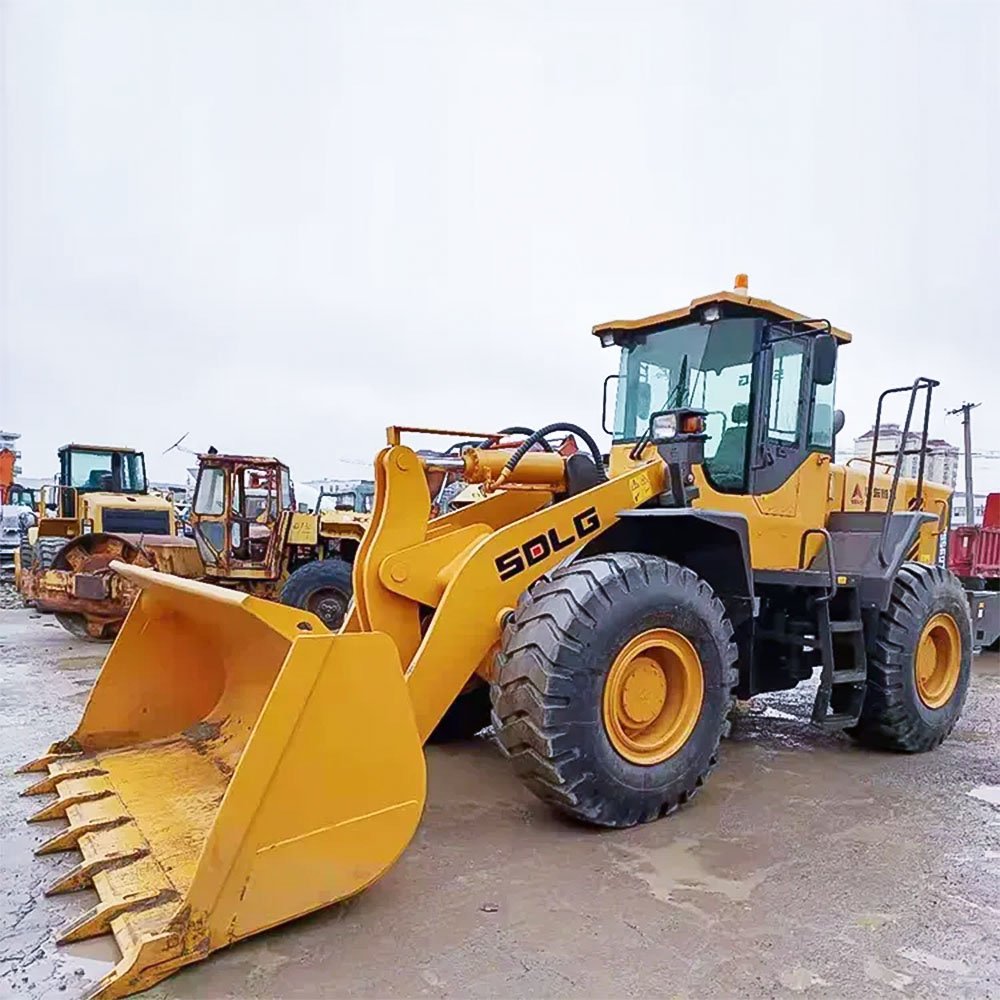
Frame and Articulation Joint Integrity
The central articulation hinge represents a point of maximum stress concentration. Therefore, longevity requires:
High-Strength Steel: Utilizing thickened, reinforced high-strength steel plates (e.g., Q345B) at the boom and hinge mounting points to resist twisting forces.
Lubrication Systems: Implementing centralized, automated lubrication systems for the pins and bushings significantly reduces friction and prevents premature wear.
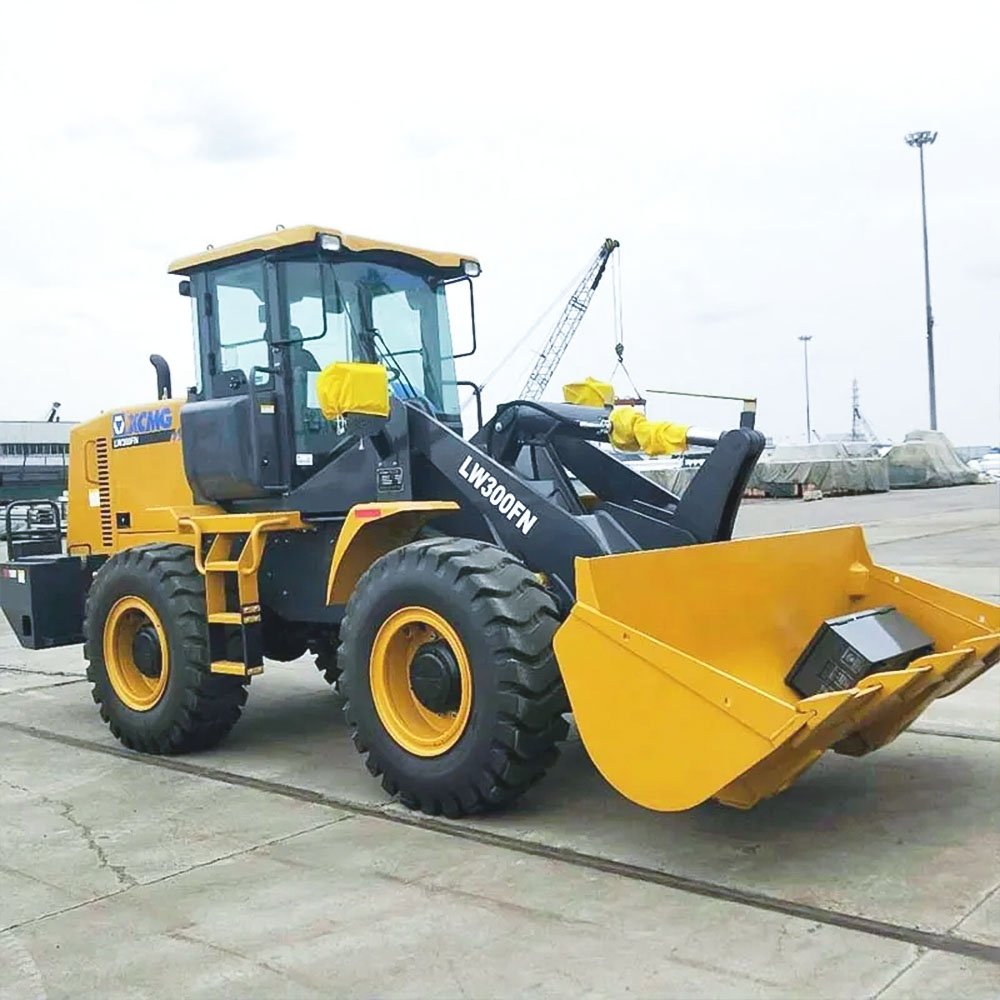
Section 3: Proactive Management – Minimizing Unplanned Downtime
Durability must be actively managed throughout the machine’s life. Modern maintenance strategies focus intensely on predicting failure before it occurs.
The Predictive Power of Fluid Analysis
The 500-hour service interval is no longer just a fluid change; it is a diagnostic event. Rigorous fluid sampling of engine oil and hydraulic fluid allows managers to detect microscopic metallic particles. This data is critical, as particle presence is the earliest reliable predictor of pump, bearing, or seal failure, allowing for planned replacement rather than catastrophic breakdown.
Telematics: The Digital Guard Against Failure
Modern loaders leverage Electronic Control Units (ECUs) and telematics to transmit operational data (oil pressure, temperature, fuel rate) in real-time.
Remote Monitoring: Fleet managers can monitor fault codes and abnormal temperature spikes remotely, allowing parts to be ordered and maintenance scheduled before a small issue escalates. This capability is arguably the most powerful tool for TCO reduction today.
Maintenance History and Resale Value: A machine with a verified maintenance history retains significantly higher value, whether you are selling it or trading it for a used loader.
Operator Skill and Abuse Mitigation
Even with optimal engineering, operator skill remains a major variable. Training programs must emphasize proper operating techniques to reduce impact forces, minimize excessive tire spinning (which accelerates axle stress), and correctly utilize the hydraulic kick-out and return-to-dig functions.

Section 4: Localization and Sustainable Performance
A durable machine must also be a high-performing and adaptable asset across diverse international markets.
Adapting to Regional Stress Factors
Heat and Dust Management: Specifically for African and Middle Eastern markets, the machine must be configured with robust oil-bath air filters, oversized radiators, and engine mapping optimized for high ambient temperatures.
Altitude Optimization: In high-elevation markets, engine tuning and turbocharger selection are non-negotiable to maintain power output and prevent the constant strain that leads to premature wear.
Versatility: Maximizing Revenue per Asset
To maximize the ROI from durability, the machine must be versatile. Features like quick couplers allow a single loader to rapidly transition between specialized rock buckets, forks, and grapples, significantly extending its revenue stream beyond simple material handling.
The Importance of Local Support
Durability is reinforced by the supplier’s commitment. Finally, a strong warranty and fast, localized spare parts access directly translate to shorter unplanned downtime and lower effective TCO.
Conclusion: Secure Your Competitive Edge
The decision to invest in a wheel loader is a commitment to project success. Durability, anchored by optimal machine sizing, uncompromised component quality, and predictive maintenance protocols, is the singular factor separating a consistently profitable fleet from one plagued by breakdowns.
Are you confident that your fleet’s specifications are engineered to withstand the toughest project demands and deliver a maximized ROI over the next five years?
Don’t let downtime erode your profits. Visit our New Wheel Loaders page for consultation and quotation tailored to your project requirements.