

In recent years, the demand for new Shacman dump trucks in Zambia has grown rapidly, driven by the expansion of construction, mining, and logistics sectors. Zambian clients are increasingly choosing Shacman vehicles for their durability, fuel efficiency, and reliable after-sales support. This article explores the key reasons behind this trend and how Shacman dump trucks are transforming the nation’s transportation and infrastructure development.
1. Market Overview: The Growth of Zambia’s Transport and Construction Sectors
Zambia’s transportation and construction sectors have recorded steady annual growth of about 6%–8% between 2018 and 2023. This growth is largely driven by infrastructure modernization initiatives, new mining projects, and cross-border trade growth within the Southern African Development Community (SADC) region. As road transport handles nearly 80% of domestic freight movement, heavy-duty dump trucks have become critical assets for logistics and construction companies.
In areas around the Copperbelt and Lusaka, transportation distances average 200–400 km per haul, often over challenging terrains. Shacman dump trucks have emerged as a preferred choice for local operators seeking reliable vehicles capable of managing extended duty cycles under high load stress conditions while maintaining lower maintenance costs.
The rise in infrastructure projects such as road rehabilitation, dam construction, and housing expansion across Zambia has driven a sharp rise in demand for 20-ton to 40-ton dump trucks. The need for sturdy vehicles that combine long-term durability and accessible service networks aligns directly with Shacman’s manufacturing philosophy.
Interestingly, this positive momentum has indirectly boosted demand for complementary logistics equipment such as trailers and carriers. For example, the 2 Axle 8-Car Vehicle Transport Trailer is often used to deliver fleets of new trucks efficiently from ports or regional hubs to dealerships across Zambia.


2. Technical and Operational Advantages of Shacman Dump Trucks
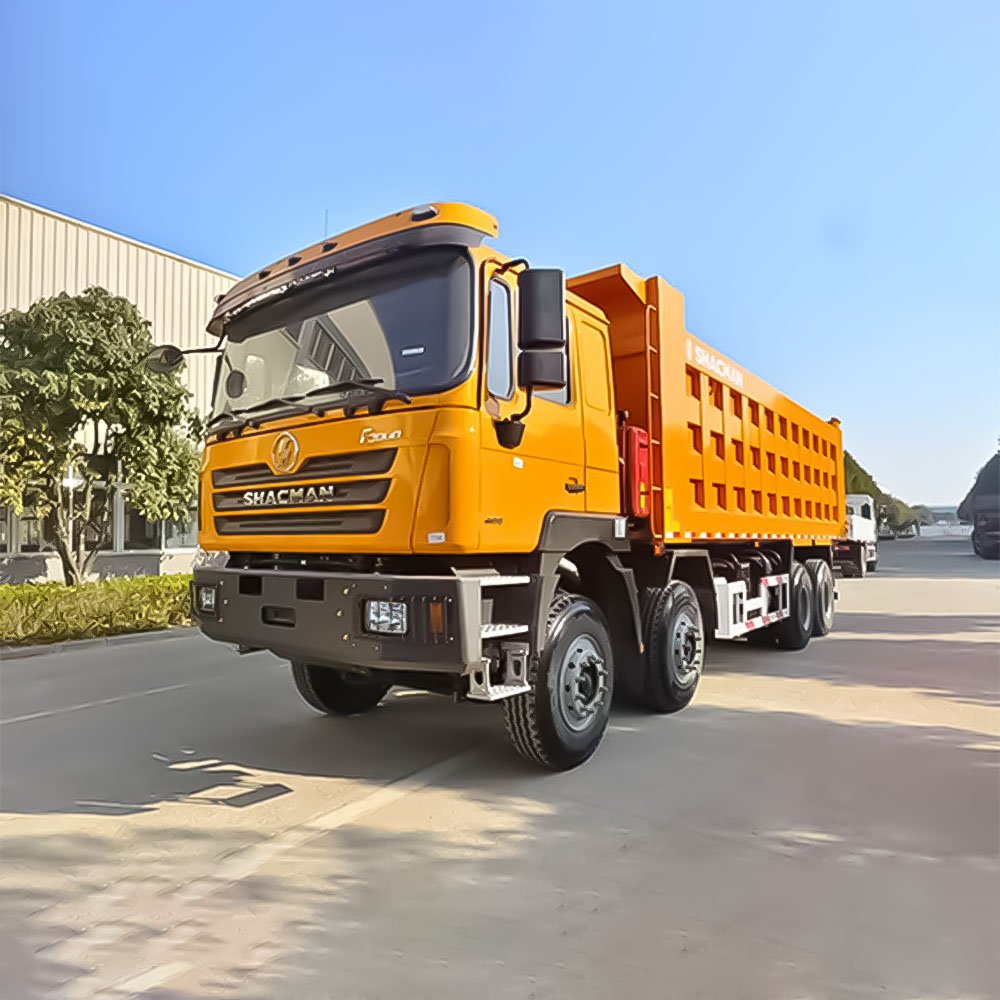
The new generation of Shacman dump trucks has gained popularity due to improvements in engine performance, fuel economy, and operational reliability. Many of the latest models incorporate Euro II or Euro III emission standards, balancing performance and environmental responsibility. On average, the fuel consumption rate ranges from 28–35 L per 100 km, which is 10%–15% more efficient than older models used in the region.
Zambian operators value Shacman trucks for three technical pillars: powertrain robustness, optimized suspension, and reduced downtime. The standard 6×4 configuration handles 30–40 tons of payload capacity with remarkable torque output up to 1,800 N·m, providing effective driving force even under steep or dusty terrain conditions commonly found in mining corridors.
The table below compares key parameters of Shacman dump trucks with other typical brands used in the Zambian market, focusing on engine, payload, and maintenance cycles.
| Parameter | Shacman Dump Truck | Comparable Brand A | Comparable Brand B |
|---|---|---|---|
| Engine Power Output | 336–420 hp | 320–380 hp | 310–370 hp |
| Average Maintenance Interval | Every 20,000 km | Every 15,000 km | Every 12,000 km |
| Payload Range | 25–40 tons | 20–35 tons | 18–32 tons |
This comparison reveals that Shacman trucks achieve approximately 20% longer service intervals, reducing operational cost per kilometer. Their reinforced chassis and intelligent braking system also make them well-suited for Zambia’s mix of paved and gravel roads, where temperature fluctuations between 10°C–35°C affect tire and engine performance stability.

3. Procurement Factors and Cost Efficiency
Purchasing a new dump truck fleet for a construction or mining business involves critical evaluation of 5 major factors: purchase cost, fuel efficiency, maintenance support, spare parts availability, and resale value. Zambian companies typically classify procurement cycles into short-term (1–2 years), mid-term (3–5 years), and long-term investment (over 6 years). Shacman dump trucks score competitively in each timeframe.
Typical cost savings for Shacman owners arise from two areas: lower fuel consumption and reduced downtime. Field feedback indicates fuel savings of about 12–14% compared with other imported brands, while scheduled servicing costs often remain under USD 0.06 per kilometer. These measurable parameters help fleet managers maintain total cost of ownership transparency.
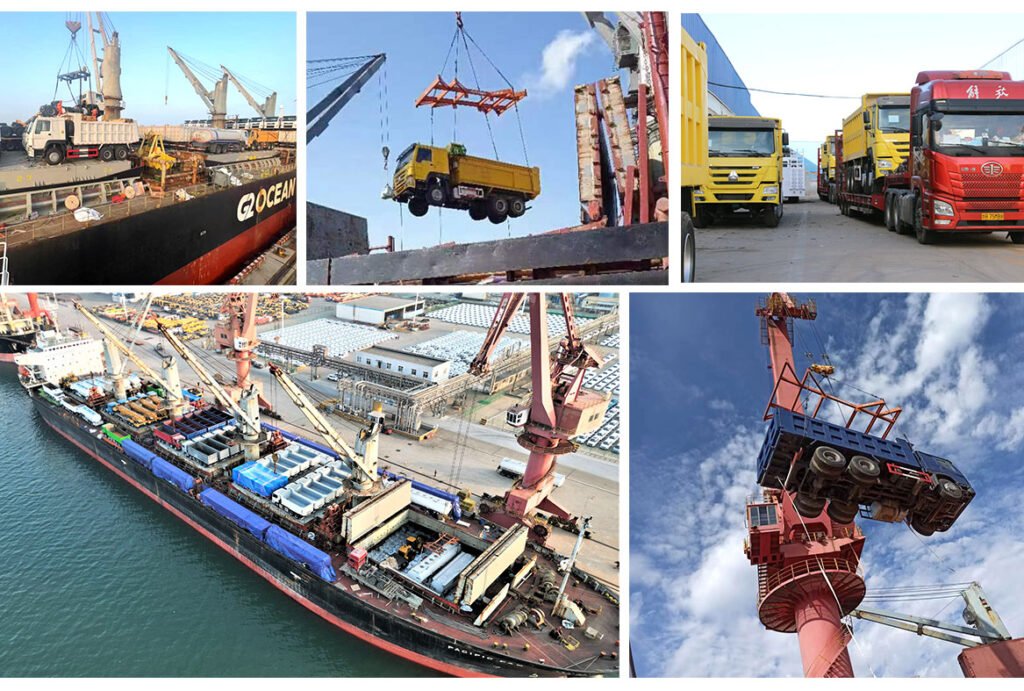
Delivery cycles for new units generally range from 4–6 weeks depending on port clearance and inland transport distance of 1,200–2,000 km from Durban or Dar es Salaam. For customers seeking faster logistics, dedicated trailers such as the 2 Axle 8-Car Vehicle Transport Trailer help reduce transfer time by up to 25% for multi-unit shipments.
| Cost Factor | Average Value (USD) | Notes |
|---|---|---|
| Initial Purchase | 65,000–85,000 | Depending on engine and configuration |
| Fuel Cost (per 100 km) | 35–45 | At diesel price USD 1.00–1.20/L |
| Maintenance (per km) | 0.05–0.06 | Regular service every 20,000 km |
This structured cost overview provides clear insight for logistics operators evaluating how fast they can achieve break-even or ROI improvements, typically within 18–24 months for standard fleet operation averaging 6,000 km per month per unit.
4. Application Scenarios and Service Ecosystem
Shacman dump trucks are currently active in three core Zambian segments: open-pit mining, building construction, and rural infrastructure projects. In mining, vehicles typically function under heavy-duty cycles of 18–20 hours per day, requiring robust drivetrains and easy access for preventive servicing. Construction contractors, on the other hand, prioritize flexibility, often deploying smaller fleets of 5–15 units per site for material hauling and site leveling.
For inter-district road projects spanning 50–150 km, Shacman trucks operate with payload efficiency above 90%, meaning minimal empty return trips. The brand’s regional service centers located along major corridors reduce average service downtime to under 48 hours, meeting the tight delivery timelines required by government-funded infrastructure contracts.
Zambian companies have also benefited from a networked after-sales ecosystem, which typically includes the following four steps:
- Step 1: Pre-delivery inspection ensuring compliance with operational standards and axle alignment.
- Step 2: Driver orientation lasting approximately 2–3 hours for safety and maintenance routines.
- Step 3: Scheduled maintenance reminder system, triggered every 10,000–20,000 km of use.
- Step 4: Post-sale technical support through local workshops within a 100–200 km service radius.
This holistic approach—pairing robust hardware with localized service—helps ensure minimal productivity disruptions for clients in both urban and remote territories.
5. FAQs: Key Questions about Shacman Dump Trucks in Zambia
Q1: What is the average delivery time for new Shacman dump trucks?
The regular delivery interval is around 30–45 days, covering shipping from the assembly port to Zambia and domestic logistics. Delivery optimization may cut that time by roughly 20% if scheduled during the regular import cycle.
Q2: How do Shacman trucks perform compared with used imports?
New Shacman dump trucks provide extended lifecycle reliability estimated at 500,000–600,000 km before major overhaul, nearly twice the expectancy of used units. The long-term cost benefit clearly offsets the higher upfront payment.
Q3: Are spare parts and maintenance readily available in Zambia?
Yes, Shacman authorized dealers maintain parts inventories in Lusaka, Ndola, and Kitwe. Common components such as brake pads and oil filters are restocked on a 2-week cycle, ensuring sustainable operation for regional fleet owners.
Q4: What technical configurations are most popular among Zambian clients?
The 6×4 380hp and 8×4 420hp configurations are most popular due to the balance of cost, performance, and payload compatibility. Haulage distances and project scale usually dictate which variant is optimal.
6. Why Choose Us for Your Next Fleet Procurement
Our professional team specializes in matching high-performance transportation solutions with Zambia’s evolving logistics and construction needs. We not only support the supply of reliable dump trucks but also assist in full fleet planning, parameter verification, and cross-border compliance procedures according to SADC transport standards.
Whether you require assistance in selecting engine configurations, determining suitable axle loads, or organizing shipment logistics through trailers and carriers, our consultants are ready to provide data-backed guidance. We help accelerate deployment cycles typically by 15%–20% through integrated procurement coordination.
To discuss configuration details, service packages, or regional delivery timelines, reach out for personalized fleet optimization and quotation support. Our goal is to ensure every purchase decision results in dependable performance throughout the entire vehicle life cycle.