

Choosing the right dump truck is an important decision for construction companies and transport businesses in the Democratic Republic of the Congo (DR Congo). Different projects require different vehicle configurations, and selecting a truck based only on horsepower or purchase price may lead to unnecessary operating costs.
For buyers considering HOWO dump trucks, several factors deserve attention, including truck configuration, engine power, load requirements, road conditions, and the type of materials being transported.
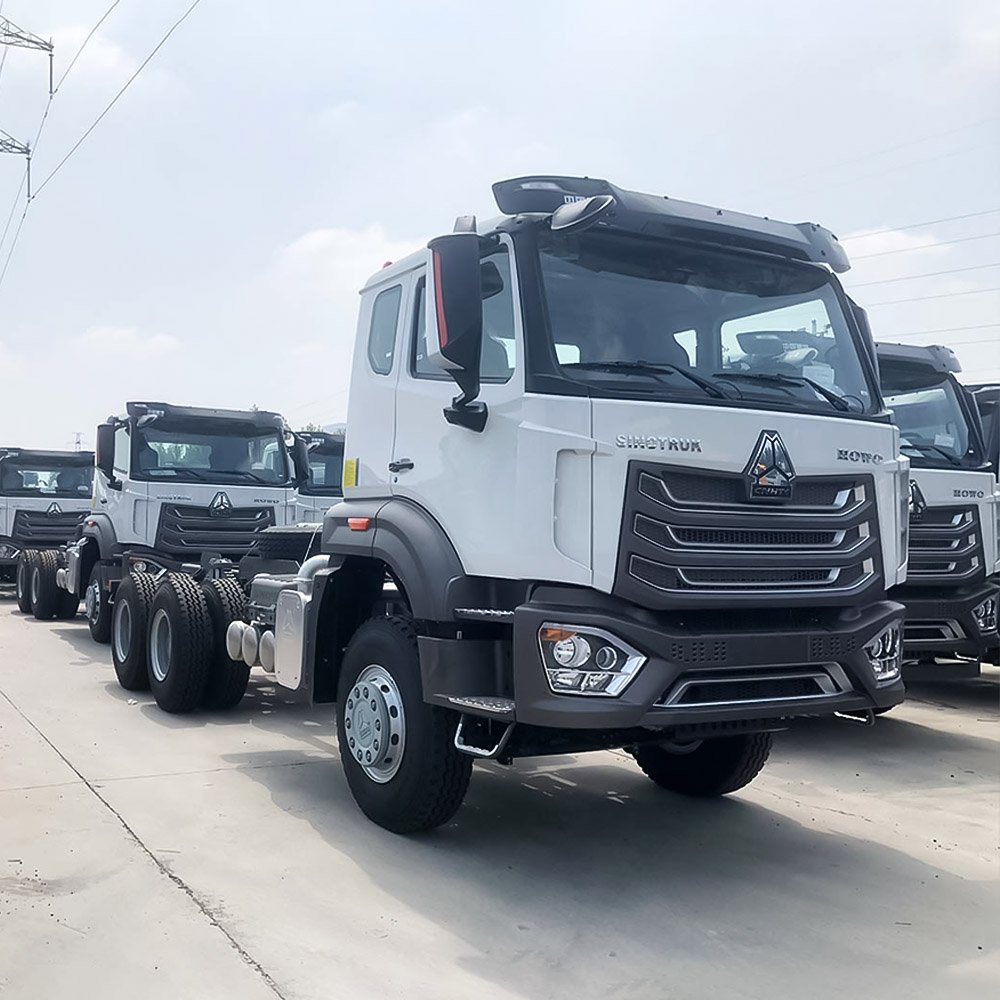
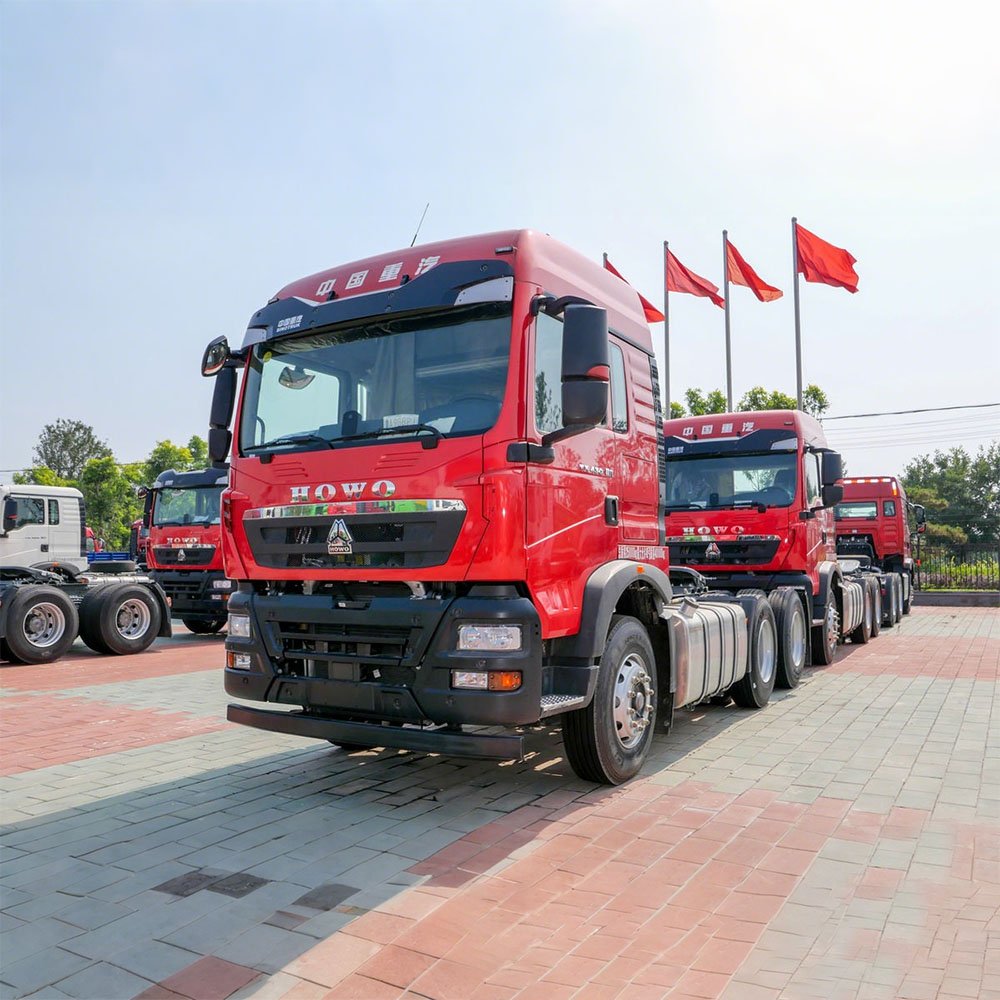
ZW Group supplies HOWO heavy-duty trucks for international markets. This guide explains the key points buyers should consider when selecting a HOWO dump truck for construction and material transportation projects in DR Congo.
1. Understand Your Construction and Transportation Requirements
Before choosing a truck, identify the main tasks it will perform.
Construction projects in DR Congo may involve transporting sand, gravel, soil, crushed stone, and other building materials. Some trucks operate between construction sites and nearby material yards, while others travel longer distances or work on rough access roads.
These operating conditions influence the vehicle configuration you need.
Consider the following questions before making a purchase:
What materials will the truck transport?
How far will it travel for each delivery?
Will it mainly operate on paved roads, unpaved roads, or construction sites?
How frequently will it load and unload?
What are the local road and axle-load requirements?
Clear answers will help you select a suitable chassis, engine, dump body, and axle configuration.
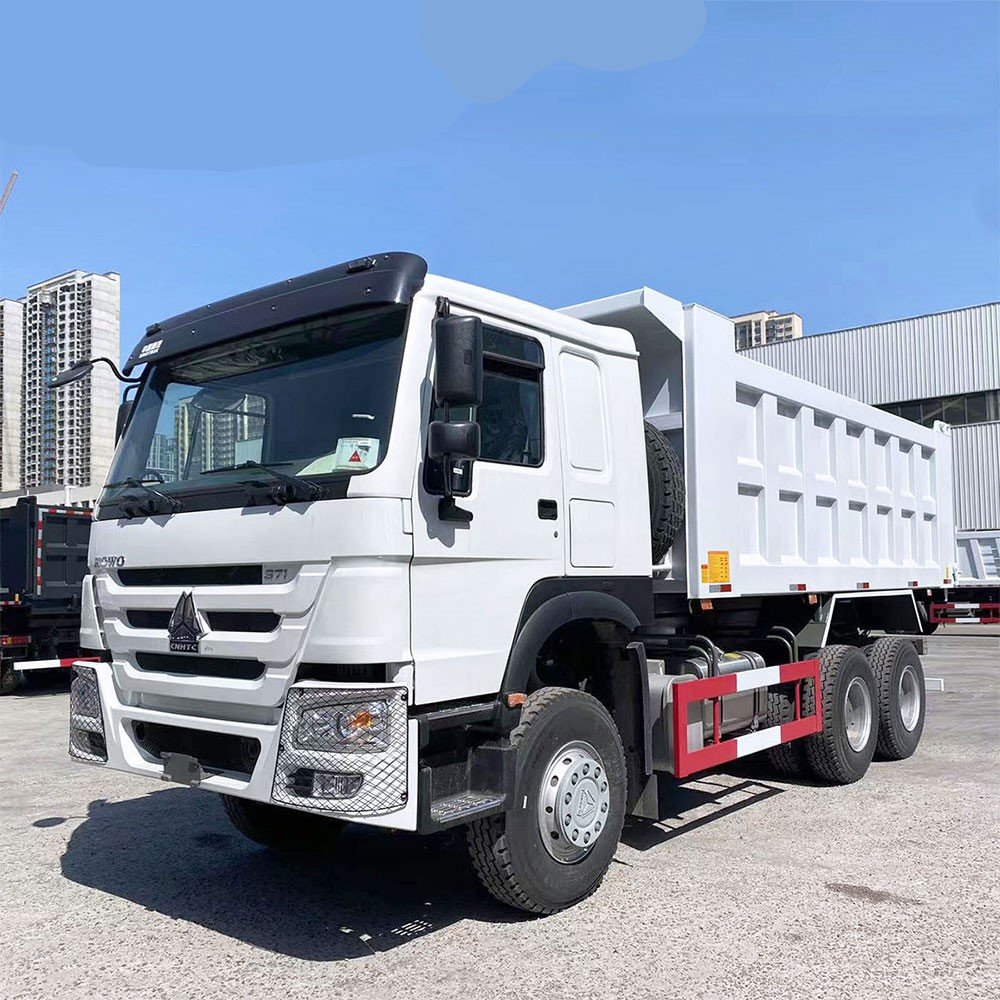
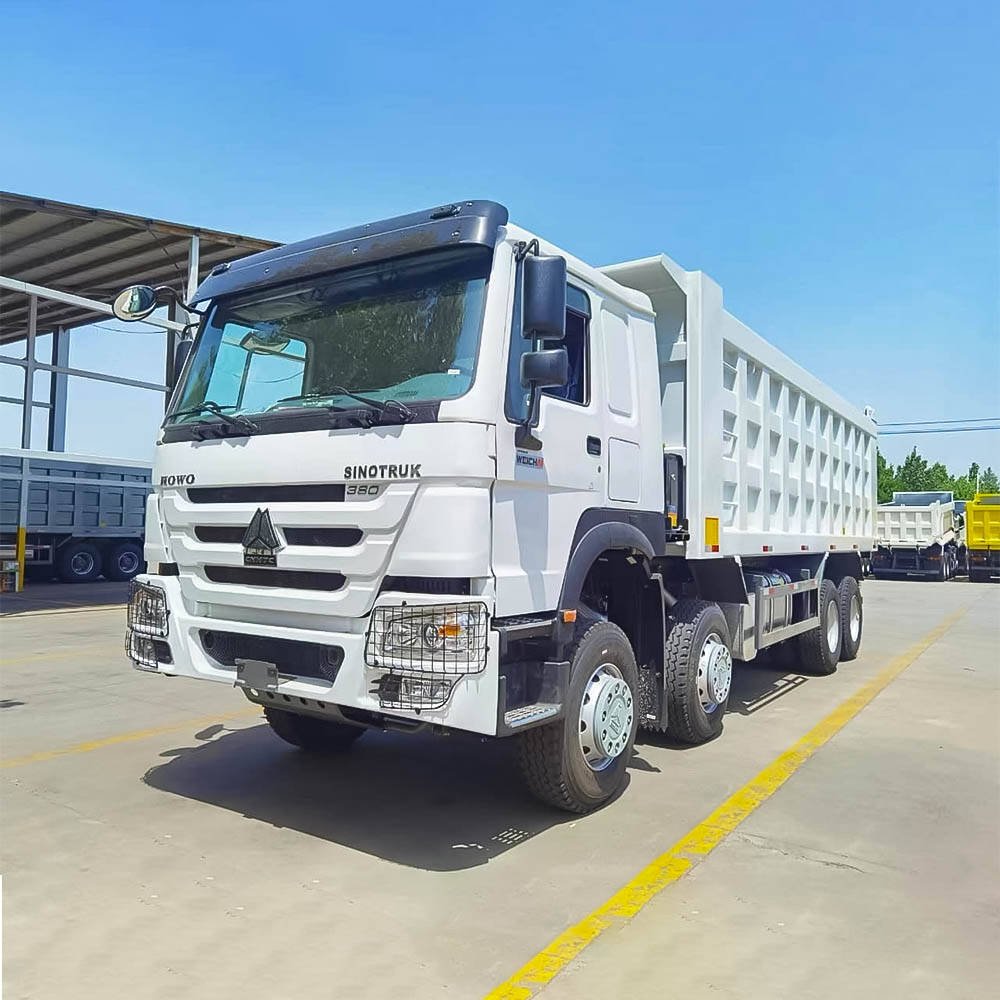
2. HOWO 6x4 vs. 8x4 Dump Trucks: Which Should You Choose?
One of the first decisions is whether to purchase a 6×4 or 8×4 HOWO dump truck. Both configurations have their own applications, and the right choice depends on the intended workload and local operating conditions.
HOWO 6×4 Dump Truck
A 6×4 dump truck has three axles, with two rear driving axles. It is commonly considered for general construction transportation and material delivery.
Potential advantages include:
A practical configuration for many general transportation tasks
Suitable options for sand, soil, gravel, and construction materials
Different engine power and dump body configurations available
A choice for businesses that need a versatile heavy-duty truck
HOWO 8×4 Dump Truck
An 8×4 dump truck has four axles, with two rear driving axles. It may be considered for applications requiring a different chassis and load distribution configuration.
Potential advantages include:
Four-axle chassis configuration
Options for larger dump body configurations, subject to specification
Suitable for selected heavy-duty construction transportation tasks
More flexibility when matching vehicle specifications to project requirements
The 8×4 configuration does not automatically mean that a truck can carry any desired load. Buyers should check the rated gross vehicle weight, individual axle ratings, tire capacity, body weight, and applicable local regulations before deciding.
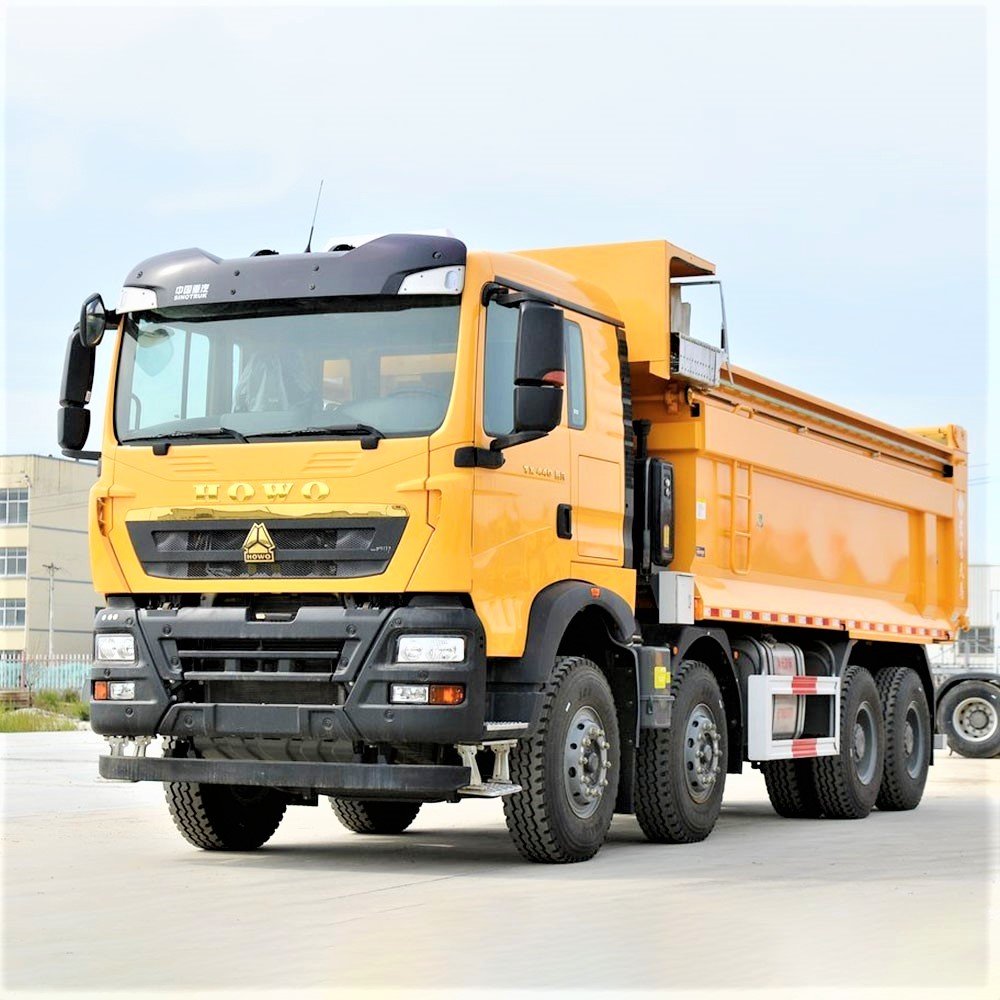
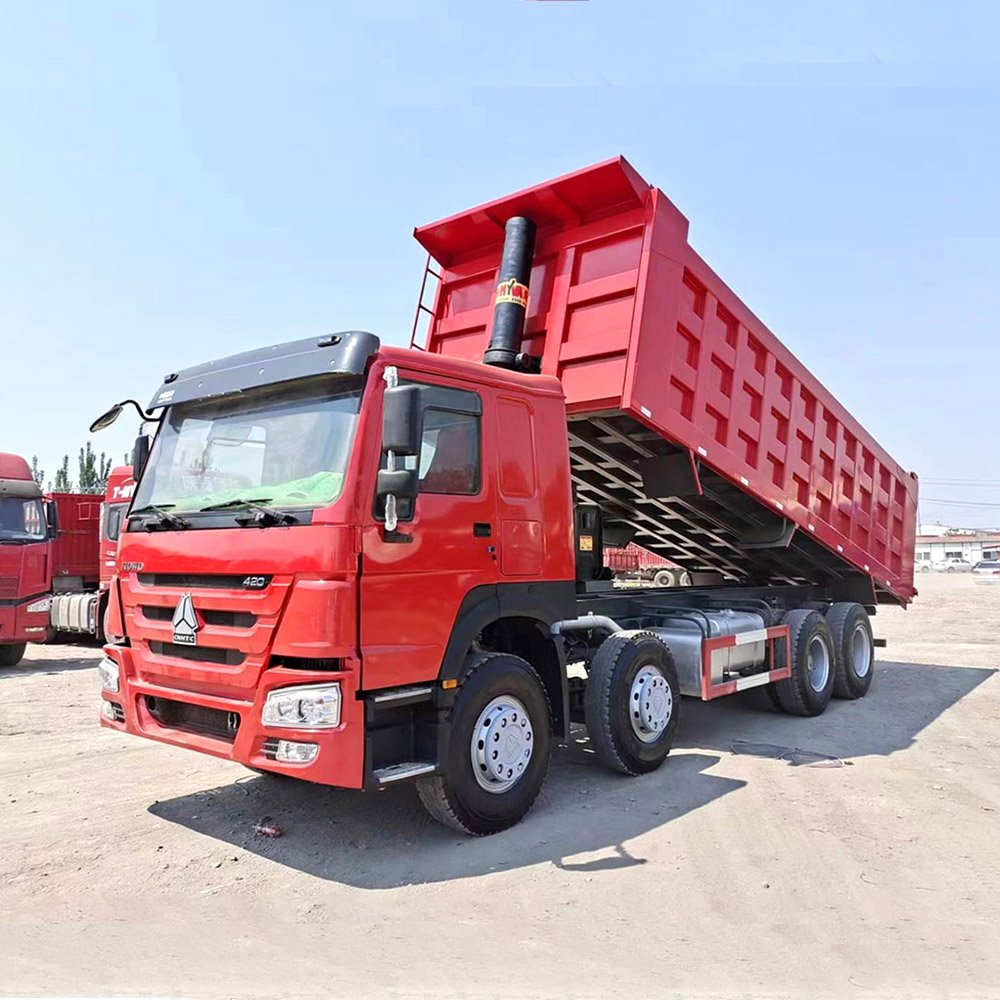
3. Select the Right Engine Power for Your Work
Engine power affects how a dump truck performs under different operating conditions. However, choosing the highest horsepower available is not always the most economical decision.
For HOWO dump trucks, buyers may compare different power options according to vehicle configuration and intended application.
Common options to consider include:
371HP: An option to evaluate for general heavy-duty transportation requirements.
375HP: Another power configuration for buyers comparing construction and material transportation vehicles.
420HP: Worth considering for projects with demanding transportation requirements.
440HP: A higher-power option that buyers may evaluate for specific heavy-duty applications.
These horsepower figures should be checked against the actual vehicle specification. Engine model, transmission, axle ratio, vehicle weight, and operating conditions all affect overall performance.
When requesting a quotation, ask the supplier to provide the complete technical specification rather than comparing horsepower figures alone.
4. Choose the Right Dump Body for Different Materials
The dump body is another important part of the vehicle configuration.
Different materials create different demands on the body structure. For example, transporting loose sand is not the same as carrying abrasive crushed stone or large rocks.
When selecting a dump body, consider:
Body dimensions
The length, width, and height should match the material being transported and the intended loading method.
Body construction
The material and thickness of the body panels should be evaluated according to the type of cargo and expected working conditions.
Wear protection
Projects involving abrasive materials may require additional attention to wear-resistant construction.
Hydraulic tipping system
The hydraulic system must match the dump body and vehicle configuration. Buyers should confirm the system specifications and operating requirements with the supplier.
The goal is to choose a dump body that works with the chassis and transportation task, rather than simply selecting the largest available body.
5. Consider Road Conditions and Vehicle Configuration
Road conditions in DR Congo can vary significantly between cities, construction areas, industrial locations, and remote project sites.
A truck operating mainly on paved roads may have different requirements from one regularly traveling over rough or uneven surfaces.
Before purchasing, discuss these factors with the supplier:
Road surface and typical route conditions
Expected operating distance
Gradient and terrain
Tire specifications
Suspension and axle configuration
Ground clearance and vehicle dimensions
A suitable vehicle configuration should balance operating requirements, durability, legal restrictions, and maintenance considerations.
It is also important to avoid overloading. Excessive loads can increase pressure on tires, axles, suspension, brakes, and the chassis, potentially increasing maintenance costs and safety risks.
6. What Should You Check Before Buying a HOWO Dump Truck?
Once you have selected a potential configuration, review the vehicle specification and purchasing terms carefully.
Here are several important items to confirm:
| Item | What to Check |
|---|---|
| Truck configuration | 6×4 or 8×4 |
| Engine | Model and rated horsepower |
| Transmission | Model and gear configuration |
| Axles | Axle models and rated capacities |
| Dump body | Dimensions, material, and construction |
| Hydraulic system | Tipping system specifications |
| Tires | Size and load rating |
| Vehicle documents | Identification and technical documents |
| Warranty | Coverage, terms, and service arrangements |
| Spare parts | Availability for the selected configuration |
For buyers importing trucks from China, it is also important to clarify the delivery terms, shipping arrangements, customs responsibilities, and required import documents before confirming an order.
If possible, request vehicle photographs, a detailed specification sheet, and inspection information before shipment.
7. New or Used HOWO Dump Truck?
Buyers may also need to decide between a new and a used HOWO dump truck.
A new truck offers the opportunity to select a configuration according to project requirements. It also allows the buyer to start with a documented maintenance schedule and agreed warranty terms.
A used truck may have a lower initial purchase price, but its actual condition needs careful evaluation.
Before purchasing a used dump truck, check:
Engine condition and maintenance history
Transmission and axle operation
Chassis condition and previous repairs
Hydraulic system performance
Dump body wear and deformation
Tire condition and suspension
Vehicle identification and ownership documents
The purchase decision should consider not only the initial price but also the expected maintenance costs, repair requirements, and suitability for the intended work.

8. Get the Right HOWO Dump Truck for Your Project in DR Congo
Selecting a HOWO dump truck requires more than choosing a model or horsepower figure. The right configuration depends on the materials you transport, road conditions, required load capacity, working schedule, and maintenance arrangements.
ZW Group provides HOWO heavy-duty truck solutions for international buyers, with different chassis configurations and engine power options available according to vehicle specifications.
Whether you are looking for a HOWO 6×4 dump truck or an 8×4 dump truck for a construction project in DR Congo, our team can help you review the available configurations and identify a suitable option.
Contact ZW Group to request HOWO dump truck specifications, pricing, and availability for your project in DR Cong