
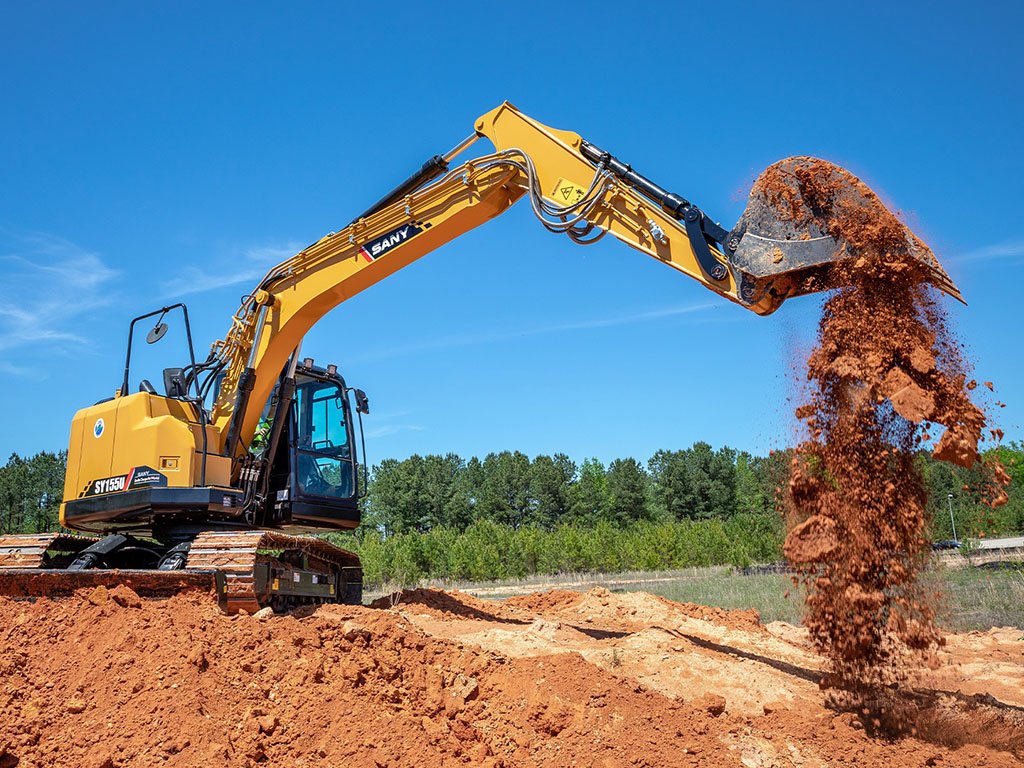
Choosing the right excavator is an important decision for any construction, earthmoving, mining, or infrastructure project. The right machine can improve productivity, reduce fuel and maintenance costs, and make daily operations more efficient. Choosing the wrong excavator, however, may result in low productivity, excessive operating costs, or a machine that is not suitable for the job.
So, how do you choose the right excavator for your project?
The key is to look beyond the brand and purchase price. You should consider the project application, excavator size, operating weight, bucket capacity, digging performance, working environment, and whether a new or used machine is more suitable for your business.
This guide explains the most important factors to consider before buying an excavator.
1. Start With Your Project Requirements
Before choosing a specific excavator model, define what the machine will actually be used for.
Different construction projects require different levels of digging force, lifting capacity, mobility, and working range.
Common excavator applications include:
- General construction
- Road construction
- Foundation excavation
- Earthmoving
- Quarrying
- Mining
- Demolition
- Trenching
- Land clearing
- Material handling
For example, a contractor working on building foundations may need a versatile medium excavator, while a mining operation may require a larger machine with higher digging force and a stronger undercarriage.
The first question should not be “Which excavator should I buy?” but “What work will the excavator perform?”
Once the main application is clear, it becomes much easier to narrow down the right machine size and configuration.

2. Choose the Right Excavator Size
Excavator size is one of the most important factors in the purchasing decision.
Excavators are commonly divided into compact, small, medium, and large classes. The ideal size depends on the workload, available working space, required digging depth, transportation conditions, and expected productivity.
Compact Excavators
Compact excavators are suitable for:
- Urban construction
- Landscaping
- Utility work
- Small foundations
- Drainage
- Residential projects
- Jobs with limited working space
Their smaller dimensions make them easier to transport and maneuver in restricted areas.
Medium Excavators
Medium excavators are a popular choice for general construction and earthmoving.
They can handle:
- Building construction
- Roadwork
- Site preparation
- Trenching
- Earthmoving
- Quarry applications
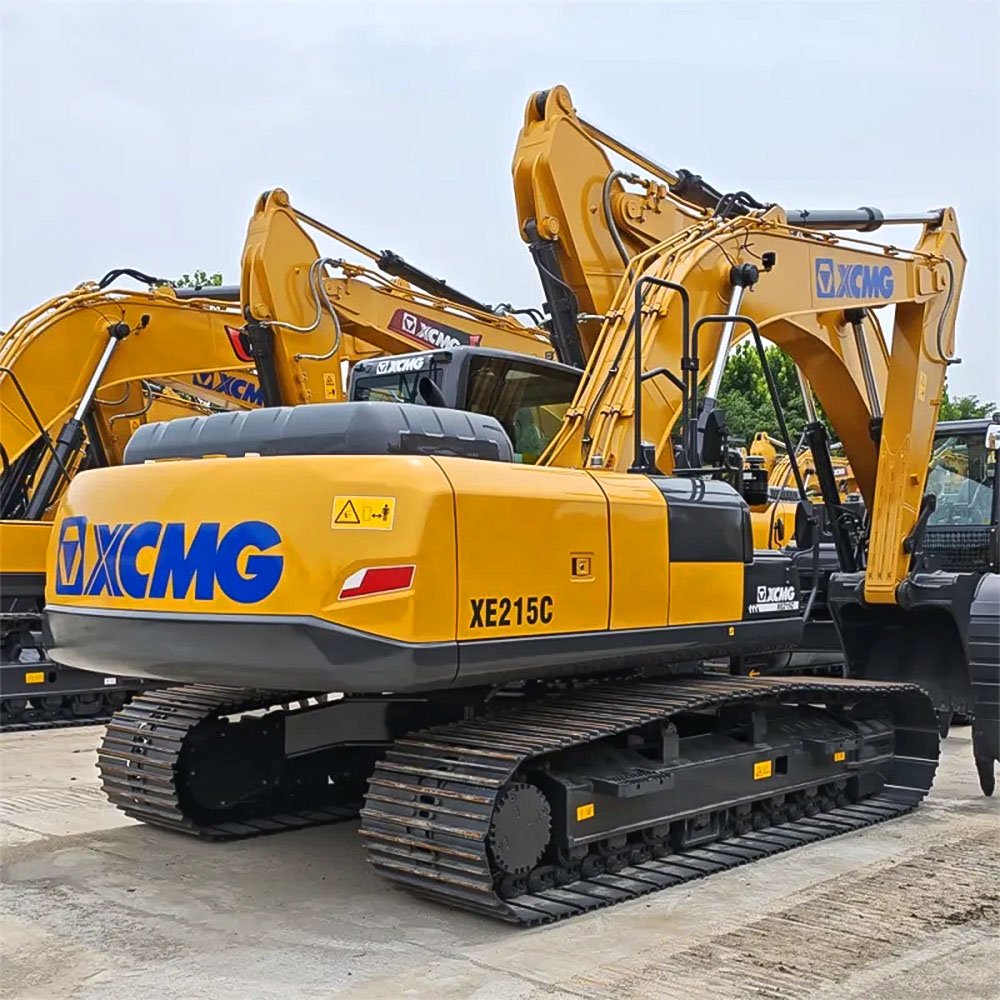
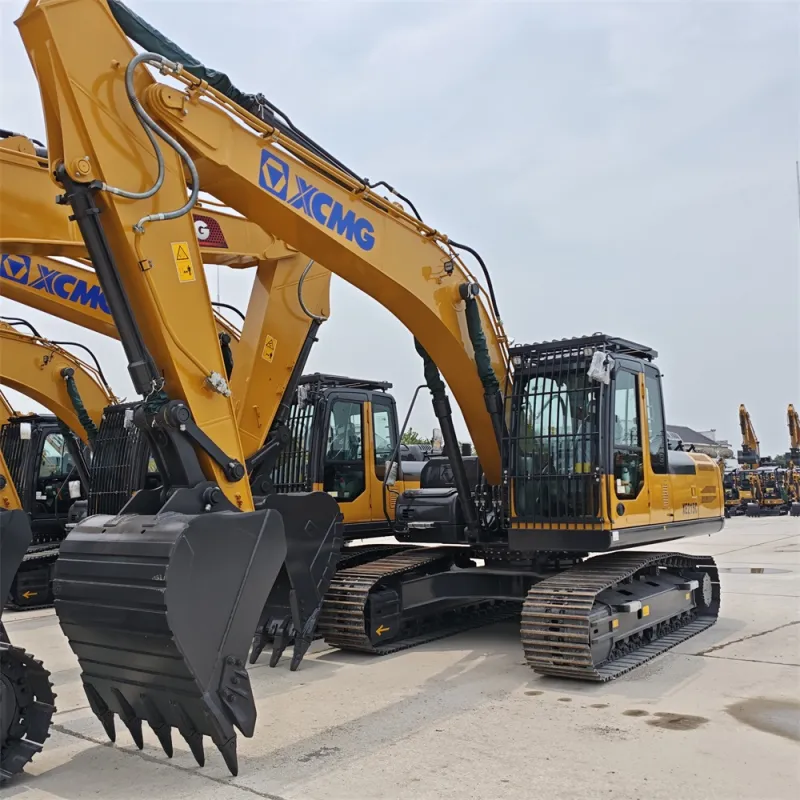
For example, the XCMG XE215C is a 21.7-ton crawler excavator with a 0.9–1.0 m³ bucket capacity, making this class suitable for a wide range of medium-duty construction applications.
Large Excavators
Large excavators are designed for demanding applications such as:
- Large-scale earthmoving
- Mining
- Quarrying
- Major infrastructure projects
- Heavy excavation
- Large demolition projects
For example, the SANY SY365H in ZW Group’s range has an operating weight of approximately 36.2 tons and a 1.4 m³ bucket, making it more suitable for heavy-duty applications than a typical medium excavator.
A larger excavator is not always the better choice. If the machine is too large for the project, transportation, fuel consumption, operating costs, and maneuverability can become unnecessary burdens.
3. Consider Operating Weight and Bucket Capacity
Two specifications that deserve close attention are operating weight and bucket capacity.
Operating weight affects the machine’s stability, transportation requirements, and overall working capability.
Bucket capacity directly affects how much material the excavator can move in each cycle.
However, a larger bucket does not automatically mean higher productivity.
The bucket should match:
- Material density
- Digging conditions
- Machine size
- Hydraulic performance
- Required cycle time
- Truck loading capacity
For example, a machine working mainly with loose soil may use a different bucket configuration from one working in hard rock or quarry conditions.
The goal is to create a balance between bucket capacity, digging force, cycle time, and material conditions.
4. Check Engine Power and Hydraulic Performance
Engine power is important, but it should not be considered alone.
Excavator productivity also depends heavily on the hydraulic system. Hydraulic performance affects digging force, boom and arm movement, swing operation, and overall cycle time.
When comparing excavators, look at:
- Engine power
- Hydraulic pump performance
- Bucket digging force
- Arm digging force
- Swing speed
- Travel speed
- Hydraulic response
For example, the new XCMG XE215C uses a 128.5 kW engine and provides 149 kN of bucket digging force.
For heavier applications, higher hydraulic and engine performance can help the machine maintain productivity under demanding working conditions.
Do not choose an excavator based only on horsepower. A well-matched hydraulic system and overall machine design are equally important.
5. Consider the Working Environment
The same excavator may perform very differently depending on the working environment.
Before buying, consider the actual jobsite conditions.
Soft or Muddy Ground
A suitable crawler excavator with an appropriate undercarriage configuration can provide better stability and traction.
Rocky or Abrasive Conditions
Heavy-duty components, a reinforced undercarriage, and suitable attachments may be more important than maximum digging depth.
Urban Construction
Compact dimensions, short-tail designs, low noise, and good maneuverability may be more valuable.
Mining and Quarrying
Large excavators with strong digging forces, durable structures, and heavy-duty undercarriages are generally more appropriate.
Long Working Hours
If the excavator will operate for many hours every day, fuel efficiency, operator comfort, maintenance accessibility, and reliability should receive greater attention.
Always choose the machine according to the actual working environment rather than specifications alone.
6. Choose the Right Excavator Attachments
The excavator itself is only part of the solution.
Different attachments can significantly expand the machine’s applications.
Common excavator attachments include:
- Standard digging buckets
- Heavy-duty buckets
- Rock buckets
- Hydraulic breakers
- Rippers
- Grapples
- Thumbs
- Hydraulic shears
- Augers
For general excavation, a standard bucket may be sufficient.
For demolition, a hydraulic breaker or shear may be more appropriate.
For handling materials, a grapple can improve productivity.
Therefore, when selecting an excavator, consider not only the machine but also the attachments required for your project.
7. Crawler Excavator or Wheeled Excavator?
Another important decision is whether you need a crawler excavator or a wheeled excavator.
Crawler Excavator
Crawler excavators are generally suitable for:
- Uneven terrain
- Soft ground
- Construction sites
- Quarrying
- Mining
- Heavy excavation
Their tracks provide good stability and traction.
Wheeled Excavator
Wheeled excavators are particularly useful when the machine needs to travel frequently between different locations.
They can be suitable for:
- Urban construction
- Road maintenance
- Municipal projects
- Utility work
- Projects requiring frequent road travel
If the machine spends most of its time on a fixed jobsite, a crawler excavator may be the better choice.
If mobility between multiple sites is a priority, a wheeled excavator may offer greater flexibility.
8. New or Used Excavator?
Your budget and project requirements will determine whether a new or used excavator is the better choice.
New Excavator
A new excavator can be a good option when you need:
- Longer expected service life
- Latest technology
- Lower initial maintenance requirements
- Manufacturer support
- Predictable machine condition
- Long-term fleet investment
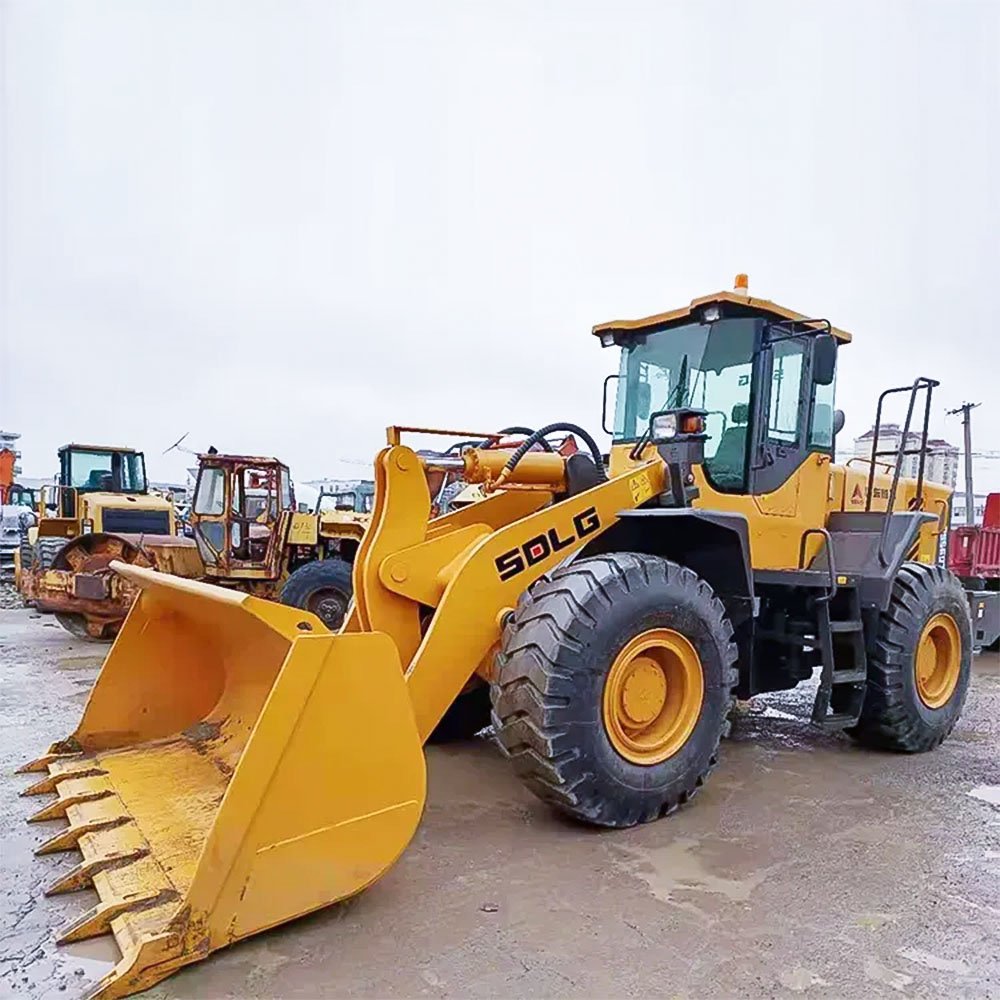
ZW Group currently offers new excavators from brands including SANY, XCMG, SDLG, and SEM.
Used Excavator
A used excavator can be attractive when initial investment is a major consideration or when you need to expand your fleet at a lower capital cost.
However, condition is more important than age alone.
Before purchasing a used excavator, check:
- Operating hours
- Engine condition
- Hydraulic system
- Undercarriage
- Boom and arm
- Swing system
- Bucket and attachments
- Electrical system
- Maintenance history
- Signs of structural damage
ZW Group’s used excavator inventory includes brands such as CAT, Komatsu, Hitachi, Volvo, Hyundai, Doosan, Kobelco, and SANY, with models ranging from compact machines to large excavators.
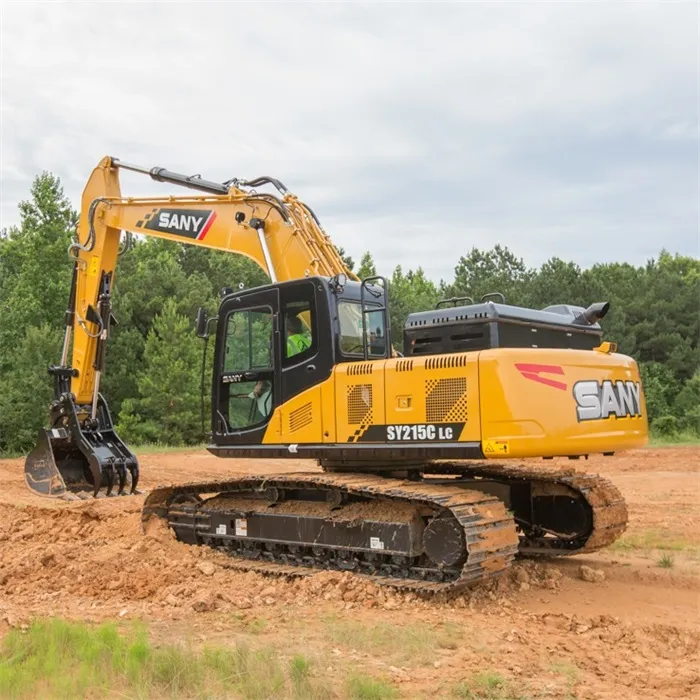
For example, the used SANY SY215C is a 23.5-ton medium excavator with a 0.95 m³ bucket, suitable for construction, roadwork, and earthmoving applications.

9. Consider Transportation and Logistics
An excavator may be ideal for the jobsite but difficult or expensive to transport.
Before purchasing, check:
- Transport weight
- Overall dimensions
- Transport width
- Transport height
- Loading requirements
- Local road restrictions
- Shipping method
- Availability of lowbed trailers
This is especially important when purchasing construction machinery internationally.
For export projects, transportation dimensions should be confirmed before placing an order. A machine that exceeds local transport limits may require special permits or additional logistics costs.
10. Think About Total Operating Cost
The purchase price is only one part of the cost of owning an excavator.
A better way to compare machines is to consider the total cost of ownership.
Important factors include:
Purchase Cost + Fuel + Maintenance + Spare Parts + Transportation + Downtime + Resale Value
A machine with a lower purchase price may not necessarily be cheaper to operate if it consumes more fuel or requires frequent repairs.
For machines working many hours every day, fuel efficiency and reliability can have a major impact on long-term operating costs.
11. Match the Excavator to Your Project
A simple way to narrow down your options is to match the machine to your application.
| Project Type | Recommended Excavator Type |
|---|---|
| Residential construction | Compact / Small Excavator |
| Urban utility work | Compact / Wheeled Excavator |
| General construction | Medium Crawler Excavator |
| Road construction | Medium / Large Excavator |
| Quarrying | Large Heavy-Duty Excavator |
| Mining | Large Excavator |
| Demolition | Medium / Large Excavator with Attachments |
| Landscaping | Compact Excavator |
| Large-scale earthmoving | Large Excavator |
These are general recommendations. Actual selection should also consider soil conditions, working hours, required digging depth, transportation, and attachments.
12. What Should You Ask Before Buying an Excavator?
Before making a final decision, answer these questions:
- What type of work will the excavator perform?
- How many hours will it operate per day?
- What is the typical material being excavated?
- How deep and wide do you need to dig?
- What excavator size fits the jobsite?
- Do you need a crawler or wheeled excavator?
- What bucket capacity is appropriate?
- Which attachments are required?
- Should you buy new or used?
- How will the machine be transported to the project site?
- Are spare parts and technical support available?
- What is the expected total operating cost?
Answering these questions will help you avoid choosing a machine based only on price or brand name.
Final Thoughts
Choosing the right excavator is ultimately about matching machine capability with project requirements.
For smaller projects, a compact excavator may provide better maneuverability and lower operating costs. For general construction, a medium crawler excavator can offer a good balance between digging performance, productivity, and versatility. For mining, quarrying, and large infrastructure projects, a larger heavy-duty excavator may be necessary.
You should also consider bucket capacity, hydraulic performance, attachments, working conditions, transportation, maintenance, and total ownership costs before making a decision.
ZW Group supplies both new and used excavators for construction, earthmoving, roadwork, quarrying, and mining applications. Our available equipment includes popular brands such as SANY, XCMG, CAT, Komatsu, Hitachi, Volvo, Hyundai, Doosan, and Kobelco.
If you are not sure which excavator size or model fits your project, provide your application, required working hours, preferred machine size, and project conditions. Our team can help you compare suitable options and select an excavator that matches your actual working requirements.
FAQ
Q1: What size excavator is best for general construction?
A medium excavator is often a practical choice for general construction because it provides a good balance of digging performance, mobility, and operating cost. However, the ideal size depends on the specific project.
Q2: Should I buy a new or used excavator?
A new excavator is generally better for long-term investment and predictable machine condition, while a used excavator can reduce the initial investment. The right choice depends on your budget, expected working hours, and project duration.
Q3: How do I choose the right excavator bucket size?
Bucket size should match the excavator’s hydraulic capacity, material type, and required productivity. A larger bucket is not always better if the machine cannot operate it efficiently.
Q4: Is a crawler excavator better than a wheeled excavator?
Neither is universally better. Crawler excavators are generally more suitable for rough or soft terrain and heavy excavation, while wheeled excavators offer better mobility for projects requiring frequent travel.
Q5: What should I check when buying a used excavator?
Check the engine, hydraulic system, undercarriage, boom, arm, swing system, electrical components, operating hours, maintenance history, and signs of structural damage before purchasing.
Q6: Can ZW Group help me choose an excavator?
Yes. ZW Group supplies new and used excavators and can recommend suitable machines according to your application, required capacity, working conditions, and budget.