
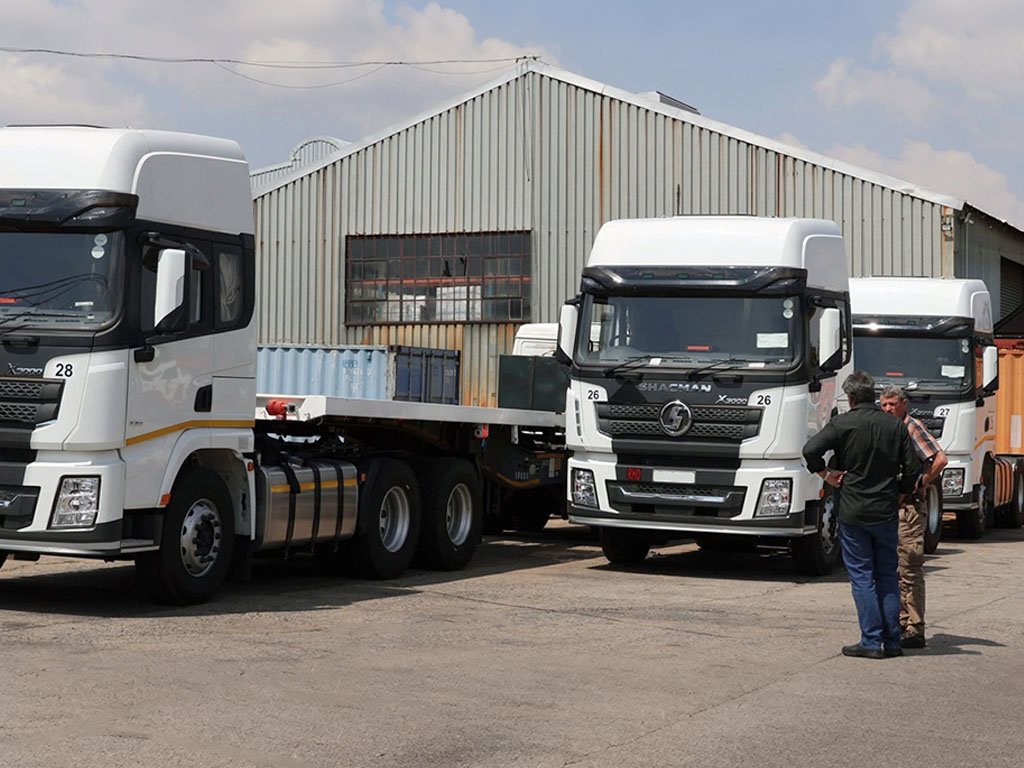
For many growing fleets, the big question is: is it worth buying Shacman truck for small logistics company operations? With rising fuel costs, tighter delivery schedules, and pressure to control maintenance expenses, choosing the right truck can directly affect profitability. Shacman trucks are often praised for durability, load capacity, and competitive pricing, but are they the right fit for a small logistics business? This article explores the key factors to help you make a smarter investment decision.
The short answer is that a Shacman truck can be a sensible purchase for a small logistics company, but only when the business model matches the truck’s strengths. Price alone is not enough. What matters is whether the vehicle fits your routes, load profile, service network, driver expectations, and cash flow reality. A truck that looks affordable on paper can become expensive if parts are hard to source locally or if it spends too much time parked for repairs.
That is usually where small operators make the wrong comparison. They compare purchase price against purchase price. In practice, they should compare total operating fit against total business demand.

Why Shacman gets attention from smaller fleets
Shacman has built a reputation in many transport markets for producing heavy-duty trucks aimed at demanding working conditions. In conversations around fleet expansion, the brand often comes up for three practical reasons: lower upfront cost than some established European brands, robust chassis and payload-oriented configurations, and a perception that the trucks are built for rough roads and long working hours.
For a small logistics company, those points matter. Capital is tight. Financing may be limited. One breakdown can disrupt multiple delivery commitments. If the company serves construction materials, agricultural freight, regional distribution, mining support, or bulk cargo, a truck known for toughness may look more appealing than one designed mainly for driver comfort or premium branding.
Still, “tough” is not the same as “right.” A heavy-duty platform can be a poor fit for urban last-mile delivery, light mixed cargo, or routes with strict emissions and weight compliance requirements. That is why the buying decision has to start with operations, not with the badge on the grille.
The real question is not value, but suitability
When owners ask whether it is worth buying a Shacman truck for a small logistics company, they are usually asking one of four things:
- Will it lower my cost per delivered ton or per trip?
- Will it stay on the road reliably enough for my contracts?
- Can I maintain it without operational headaches?
- Will it still make sense three to five years from now?
Those are better questions than “Is the brand good?” because logistics companies do not earn money from brand reputation. They earn money from uptime, payload utilization, route efficiency, and predictable ownership cost.

Where a Shacman truck can make strong business sense
A Shacman truck is often easier to justify when the operation is regional rather than highly urban, load weights are meaningful, and road conditions are inconsistent. In that environment, durability and chassis strength can matter more than premium cabin refinement. Many small logistics firms start by serving customers that care about delivery completion more than vehicle brand image, especially in freight segments where margins are thin and equipment must work hard every day.
It may also be a practical option if the fleet wants to add capacity without stretching financing too far. A lower acquisition cost can help preserve cash for insurance, tires, fuel, warehouse handling, or a backup maintenance budget. That breathing room matters. Smaller companies often survive not by optimizing every line item, but by avoiding one major cash squeeze.
Another point in Shacman’s favor is that some buyers are not looking for highly specialized transport equipment. They need a straightforward work truck that can carry heavy loads, handle regional trips, and support basic fleet growth. In that setting, a simpler value proposition is often enough.
Where the decision gets risky
The main risk is not usually the truck itself. It is the support ecosystem around it.
A small logistics company cannot absorb the same downtime as a large fleet with reserve units. If the local dealer network is weak, if spare parts must be imported case by case, or if qualified technicians are scarce in your area, then even a durable truck can become a business problem. This is especially important for operators running time-sensitive contracts, food distribution, factory inbound logistics, or routes tied to customer penalties.
There is also the matter of driver acceptance. Some small fleet owners overlook this, but it affects retention and utilization. If your drivers are used to specific gearbox behavior, cabin layout, visibility standards, or service routines, switching brands can create friction. That may not kill the decision, but it should be part of the cost calculation.
Resale value is another variable. In some markets, resale depends less on vehicle condition and more on how familiar buyers are with the brand and how comfortable they feel about future parts supply. That means the same truck can have very different long-term economics in different countries or regions.
What small fleet owners should check before buying
Before deciding if it is worth buying Shacman truck for small logistics company use, it helps to test the purchase against a few operational filters.
1. Route profile
Are you running short urban loops, medium-distance regional deliveries, or long-haul trunk routes? A truck that performs well under heavy regional freight conditions may not be the most efficient choice for dense city delivery with frequent stops and low average speed.
2. Payload and body requirement
Check whether the exact axle configuration, body compatibility, and gross vehicle weight setup match your cargo pattern. “Heavy-duty” sounds attractive, but overspecifying a truck can raise fuel use and operating cost when the actual loads are moderate.
3. Emissions and compliance
This has to be confirmed locally. Import regulations, emissions rules, registration requirements, and road access standards vary by market. A truck that is easy to deploy in one country may need additional verification or may not be suitable in another.
4. Parts and service access
Ask very direct questions: Which routine wear parts are stocked locally? What is the average lead time for non-stock parts? Who handles diagnostics? Is there support outside major cities? This matters more than brochure language.
5. Financing structure
A lower purchase price helps, but only if the financing terms are realistic. Sometimes a cheaper truck with weak after-sales support ends up costing more in lost delivery time than a more expensive truck with faster service turnaround.
Cost is more than fuel and sticker price
Small operators often build decisions around fuel consumption, monthly payment, and payload. Those are important, but incomplete. The fuller cost picture includes scheduled maintenance intervals, tire wear under local road conditions, parts pricing consistency, workshop availability, and time off road. Even driver training can become a hidden cost if the truck’s operating characteristics differ from what the team already knows.
That does not mean Shacman is expensive to own. It means the ownership outcome depends heavily on the support conditions around the vehicle. In a market where the brand has established parts channels and experienced mechanics, the value proposition can look very different from a market where every major component becomes a waiting game.
| Decision factor | When Shacman may be a good fit | When caution is needed |
|---|---|---|
| Upfront budget | Capital is limited and capacity expansion is urgent | Low price is the only reason for buying |
| Operating environment | Heavy regional work, rough roads, high payload demand | Urban delivery with strict access and efficiency constraints |
| Service support | Local parts and technicians are accessible | Weak service network or long parts lead times |
| Fleet strategy | The business needs practical workhorses, not premium fleet standardization | Customer contracts depend on highly standardized equipment support |

How it compares in a small-company buying mindset
Large fleets can negotiate service contracts, spread maintenance risk, and rotate vehicles more strategically. Small logistics companies usually cannot. Their truck purchase decisions are more exposed. One wrong unit affects dispatch reliability, customer trust, and cash position at the same time.
That is why the Shacman decision is less about whether the truck is “good enough” in general and more about whether it reduces risk in your specific operating model. If the truck gives you more payload and lower initial spend, but creates uncertainty on maintenance support, the result may still be negative. If local support is strong and your cargo profile rewards heavy-duty capability, the same truck may be a very rational investment.
In other words, a Shacman can be a smart small-fleet truck, but it is rarely a blind buy.
A practical way to make the decision
If you are evaluating whether it is worth buying Shacman truck for small logistics company growth, build the decision around a simple checklist rather than around claims:
- Match the truck configuration to your actual freight type and average load.
- Confirm legal compliance for your target routes and local registration rules.
- Verify local service coverage and parts lead times in writing if possible.
- Estimate downtime risk, not just monthly payment.
- Ask how easily the truck can be resold in your market.
- Let at least one experienced driver and one maintenance decision-maker review the unit before purchase.
That process is not glamorous, but it is how small companies protect margins.
So, is it worth buying a Shacman truck for a small logistics company? It can be, especially when the business needs a durable, payload-focused truck without stretching capital too far. But the decision only works when after-sales support, route conditions, compliance, and maintenance realities line up with the purchase. If you are close to a decision, the next step is not to compare logos. It is to compare operational fit, service reach, and the cost of one week of unplanned downtime.