
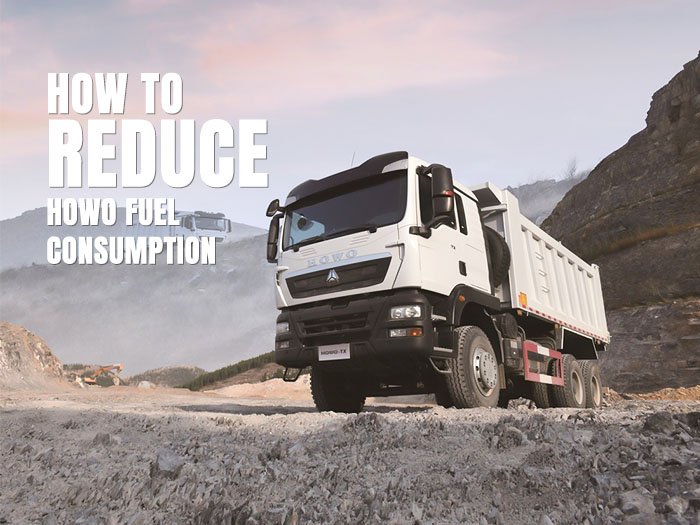
Fuel consumption is one of the biggest operating costs for mining and construction transport companies in Africa. In many projects, dump trucks work 10 to 16 hours per day under heavy loads, rough road conditions, and high temperatures. Because of this, even small improvements in fuel efficiency can significantly reduce long-term fleet operating costs.
For companies using HOWO dump trucks in mining, quarry, and infrastructure projects, reducing fuel consumption is not simply about driving slower. The real solution involves truck configuration, payload management, road conditions, maintenance planning, and driver operating habits.
This guide explains the most practical ways African fleet owners can reduce fuel consumption for HOWO dump trucks while maintaining productivity and transport efficiency.
Why Fuel Consumption Matters in African Mining Operations
Mining and quarry transport operations often involve:
- Heavy payloads
- Steep haul roads
- Long idle time
- Repeated loading cycles
- Poor road conditions
- High ambient temperatures
Under these conditions, fuel costs quickly become one of the largest expenses in fleet management.
In some African mining projects, fuel can account for 30% to 45% of total operating cost. For fleets operating multiple dump trucks every day, reducing diesel consumption by even 5% can create major annual savings.
Because of this, fuel efficiency is now becoming as important as payload capacity when choosing dump trucks for mining projects.
Choose the Right Dump Truck Configuration
One common mistake is using oversized dump trucks for smaller transport routes.
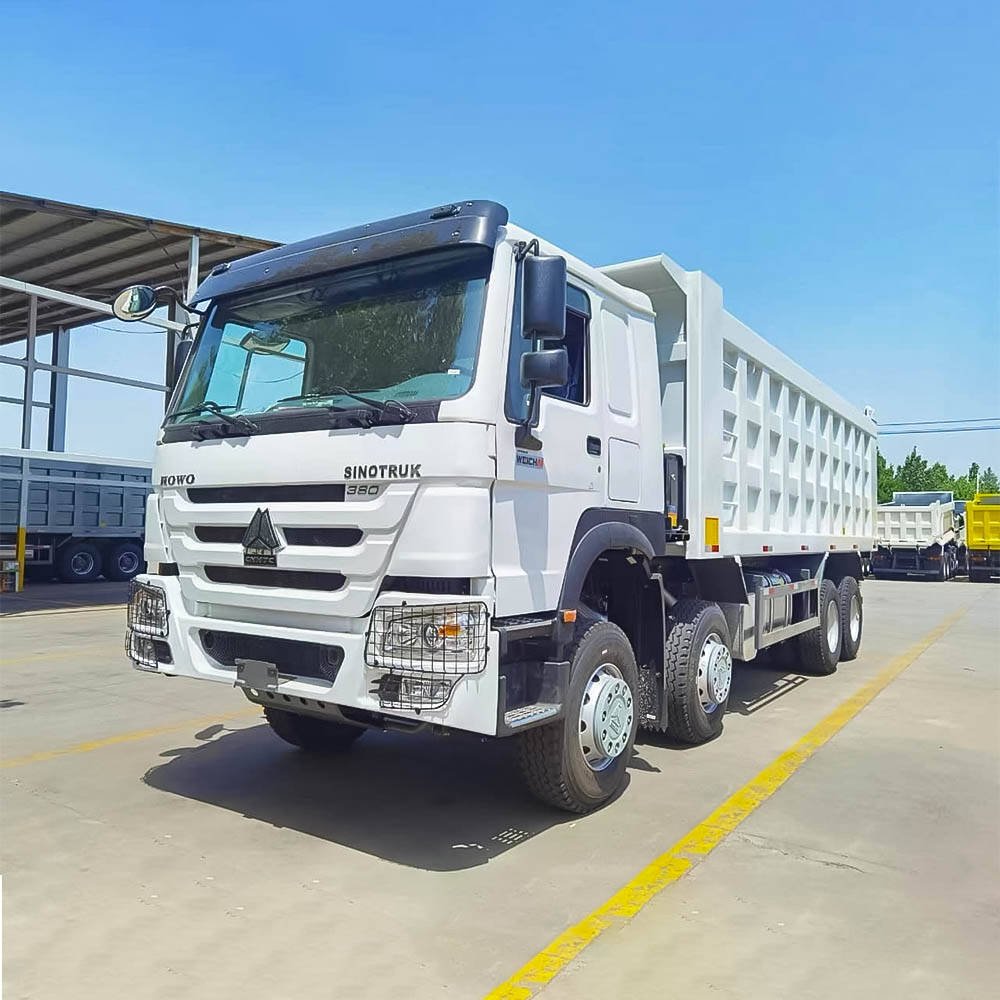
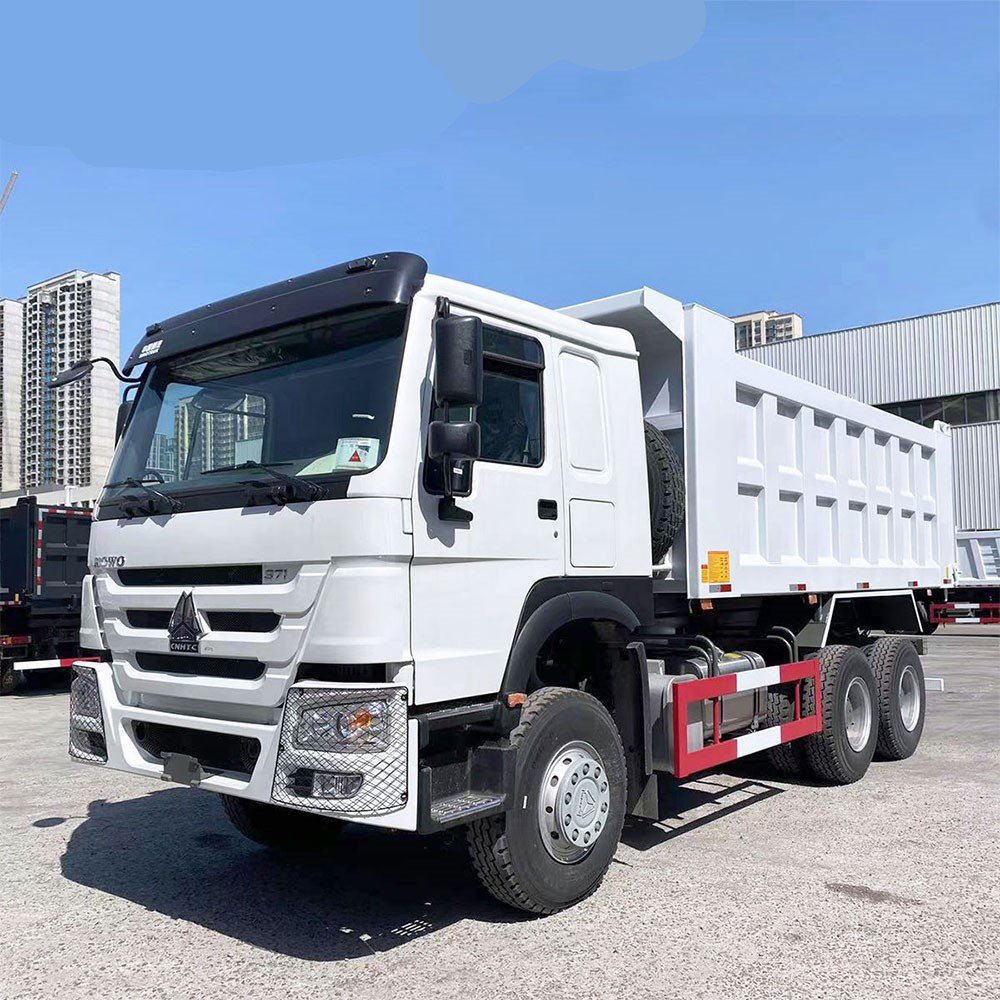
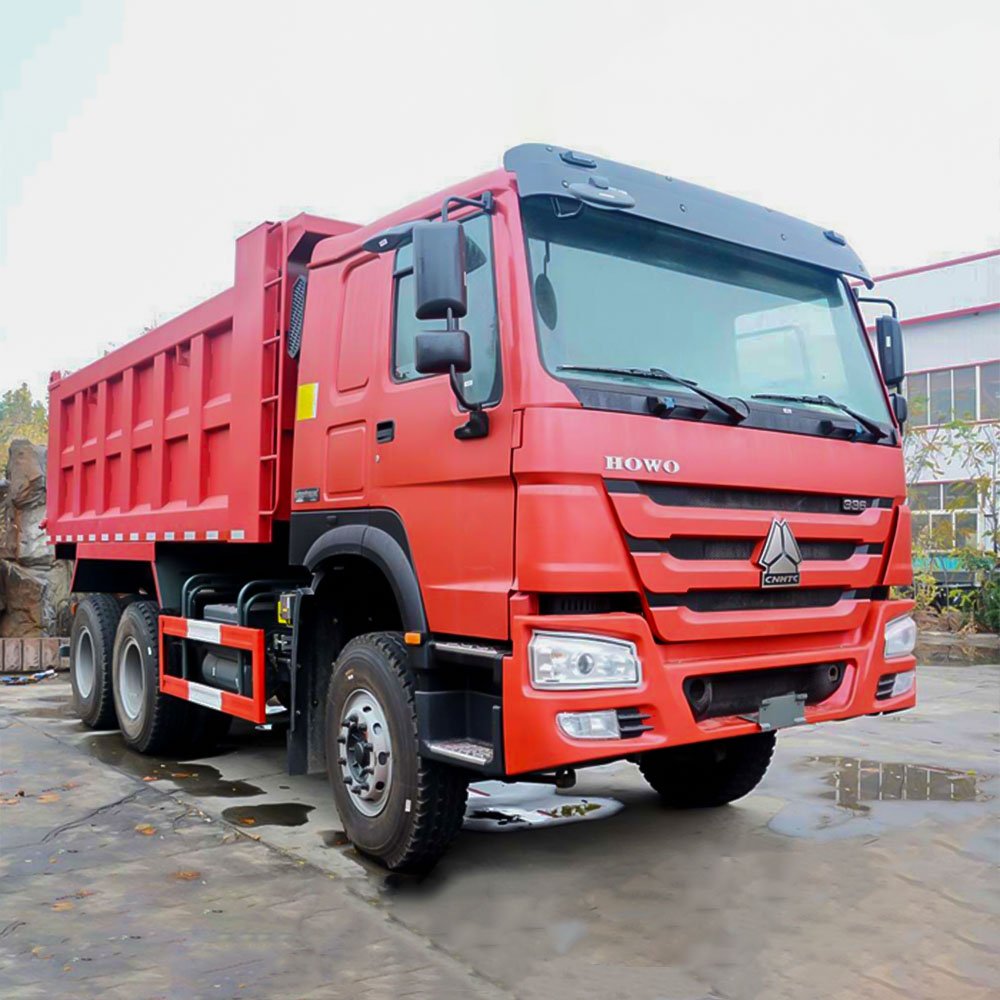
In many quarry and construction projects, a properly matched 6×4 HOWO dump truck may consume less fuel while still maintaining efficient transport cycles.
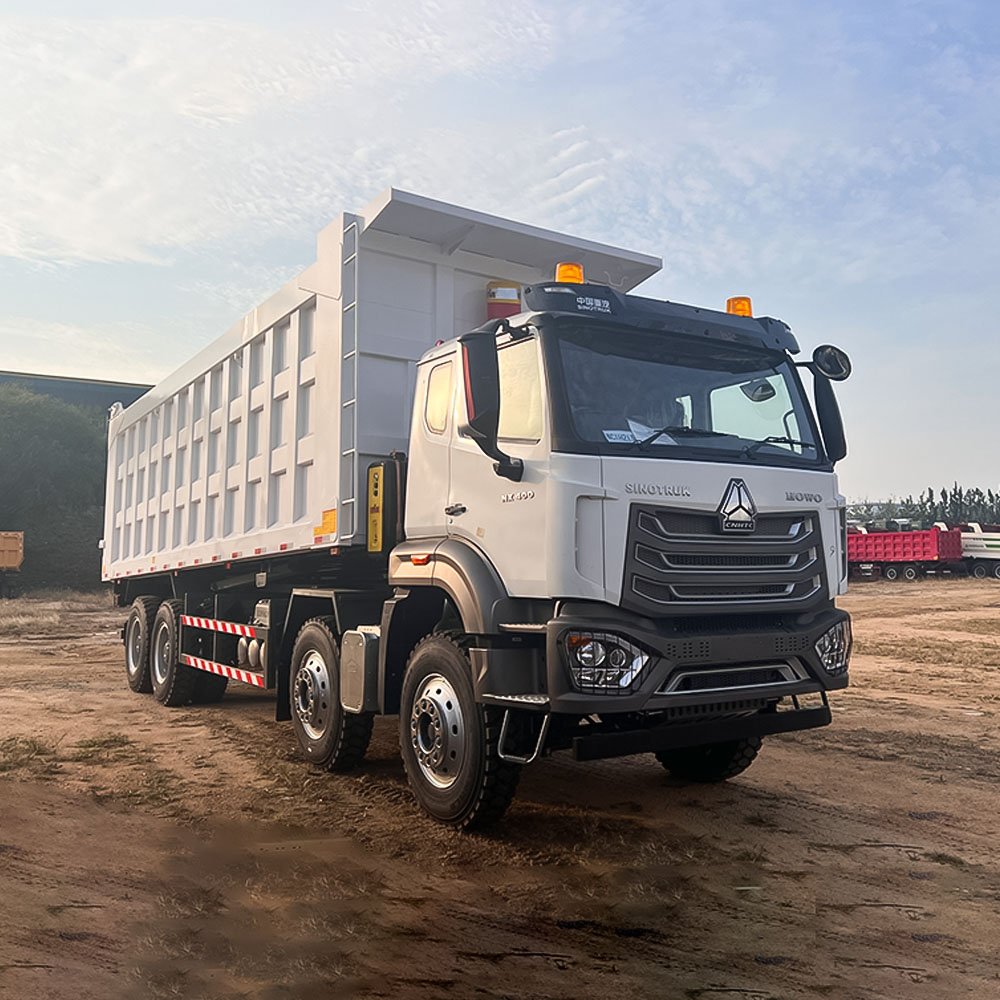
Meanwhile, larger 8×4 dump trucks are usually more suitable for:
- heavy mining work
- large payload movement
- wide haul roads
- long production cycles
Choosing the right configuration based on actual route conditions helps avoid unnecessary fuel waste.
Avoid Overloading the Truck
Overloading is one of the fastest ways to increase fuel consumption.
When a dump truck consistently carries excessive payload:
- engine stress increases
- fuel burn rises sharply
- tire wear becomes faster
- braking systems wear more quickly
Many operators believe overloading improves profitability, but in reality it often increases long-term operating cost due to higher maintenance and fuel consumption.
Balanced payload management usually delivers better efficiency over time.
Improve Haul Road Conditions
Road quality directly affects fuel efficiency.
Poor haul roads force dump trucks to:
- accelerate repeatedly
- brake more often
- operate under unstable traction
- consume more fuel during climbing
Simple road maintenance measures can improve fuel economy significantly, including:
- reducing deep potholes
- improving drainage
- leveling rough surfaces
- widening turning areas
In many mining sites, improving road conditions can reduce fuel consumption more effectively than changing truck models.
Reduce Excessive Engine Idling
Long idle time wastes large amounts of diesel every day.
At many African mining sites, dump trucks spend unnecessary time:
- waiting for loading
- waiting at weighbridges
- standing during shift changes
- idling during unloading queues
Reducing unnecessary idle time helps lower fuel consumption immediately without additional equipment investment.
Good dispatch coordination and loading management can greatly improve fuel efficiency across the entire fleet.
Proper Tire Pressure Improves Fuel Economy
Incorrect tire pressure increases rolling resistance.
Underinflated tires force the engine to work harder, especially on rough mining roads.
Regular tire inspection helps:
- improve fuel economy
- reduce tire wear
- improve driving stability
- reduce suspension stress
For heavy-duty mining operations, tire condition should be checked frequently as part of daily fleet inspection.
Driver Behavior Has a Major Impact
Driver habits strongly influence fuel consumption.
Aggressive driving behaviors such as:
- sudden acceleration
- harsh braking
- excessive speeding
- poor gear shifting
can significantly increase diesel usage.
Experienced mining fleet operators often train drivers to:
- maintain smoother acceleration
- reduce unnecessary braking
- use proper gear ranges
- maintain stable operating speed
Even basic driver training programs can produce noticeable fuel savings.
Regular Maintenance Reduces Fuel Waste
Poor maintenance gradually increases fuel consumption over time.
Important maintenance areas include:
- air filters
- fuel injectors
- engine oil
- turbocharger condition
- brake adjustment
- wheel alignment
Dirty filters and worn injectors can reduce engine efficiency and increase diesel usage significantly.
Preventive maintenance usually costs far less than excessive fuel waste caused by neglected trucks.
Match Engine Power to Actual Working Conditions
Many buyers focus only on higher horsepower.
However, oversized engines do not always improve transport efficiency.
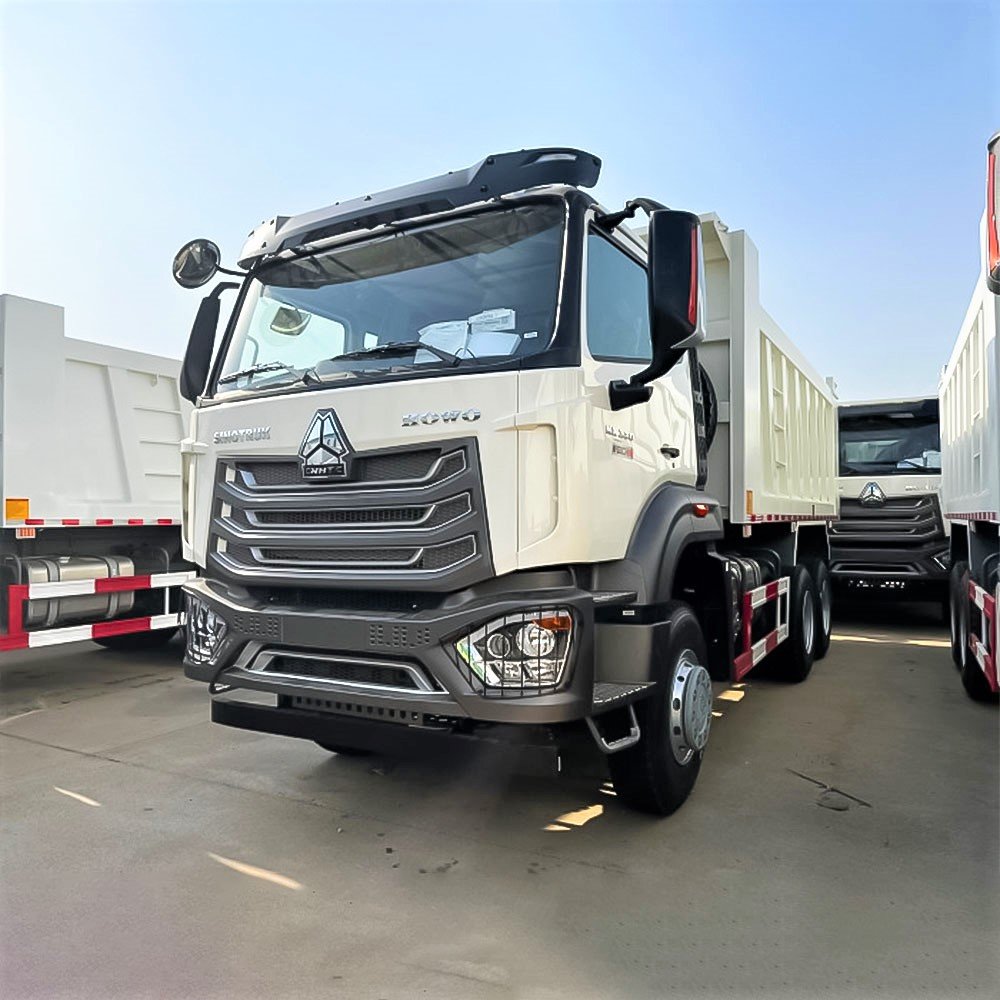
For medium quarry operations, a HOWO 336HP or 371HP dump truck may provide better fuel economy than larger engines if payload demand is moderate.
Higher horsepower becomes more valuable only in:
- steep mining routes
- heavy earthmoving
- high-density material transport
Choosing the correct power range helps balance productivity and fuel consumption.
Fuel Quality Also Affects Operating Cost
Low-quality diesel can reduce combustion efficiency and damage fuel systems.
Poor fuel quality may cause:
- injector problems
- unstable engine performance
- increased smoke
- higher maintenance cost
Using cleaner diesel and maintaining proper fuel filtration improves long-term operating reliability and fuel economy.
Final Recommendation
Reducing fuel consumption for HOWO dump trucks is not about a single solution. The best results usually come from combining:
- proper truck configuration
- balanced payload management
- road maintenance
- driver training
- preventive maintenance
- efficient dispatch planning
For African mining and construction companies, fuel efficiency directly affects long-term profitability.
A well-managed HOWO dump truck fleet can lower operating cost, improve productivity, and maintain better transport reliability under demanding mining conditions.
If you are planning to expand your mining fleet or optimize transport operations in 2026, contact us today for professional dump truck recommendations and customized transport solutions for African projects.