
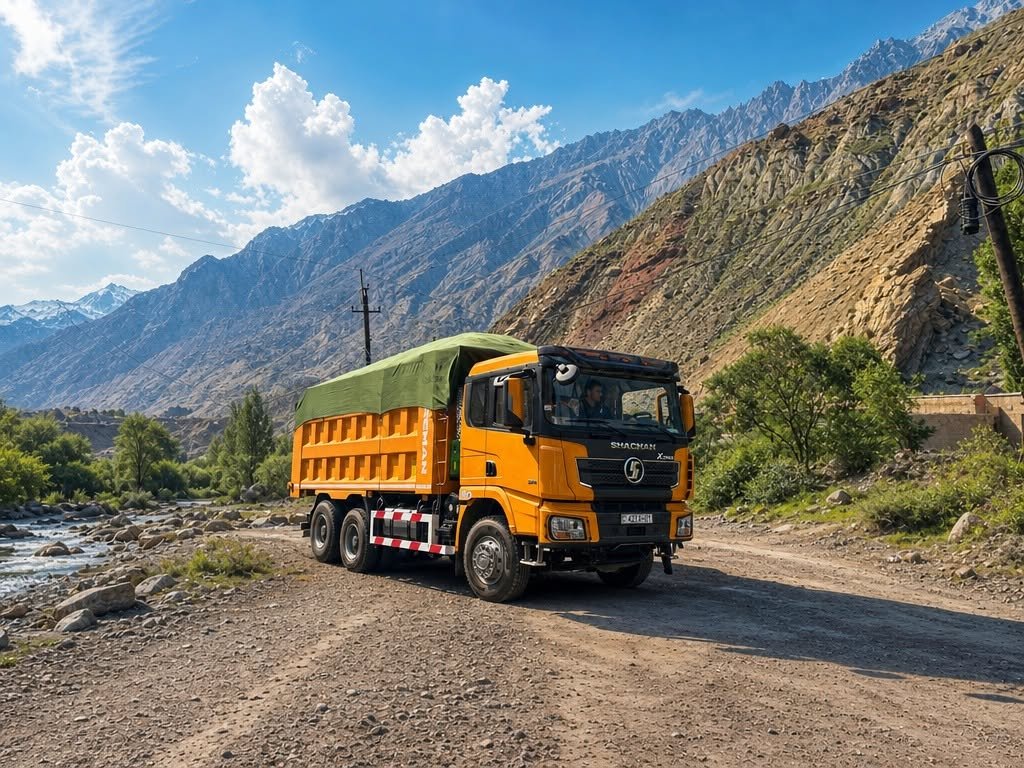
When choosing a heavy-duty truck for construction, logistics, or mining, understanding the Shacman truck payload capacity for 6×4 model is essential. Payload capacity affects efficiency, operating costs, and compliance with road regulations, making it a key factor for fleet owners and buyers. In this article, we’ll explore what determines the payload of a Shacman 6×4 truck and how to evaluate the right configuration for your transport needs.
One thing needs to be said early: there is no single payload number that applies to every Shacman 6×4 truck. A 6×4 is an axle configuration, not a complete specification. The actual carrying capacity depends on the chassis design, gross vehicle weight rating, curb weight, body type, suspension setup, tire rating, axle limits, and the legal rules in the market where the truck will run. Two trucks that both wear the Shacman badge and both use a 6×4 drivetrain can end up with very different real-world payloads.
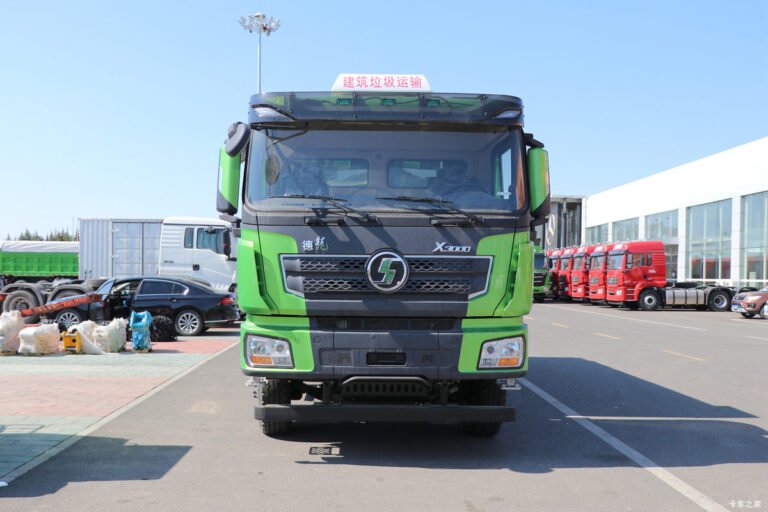
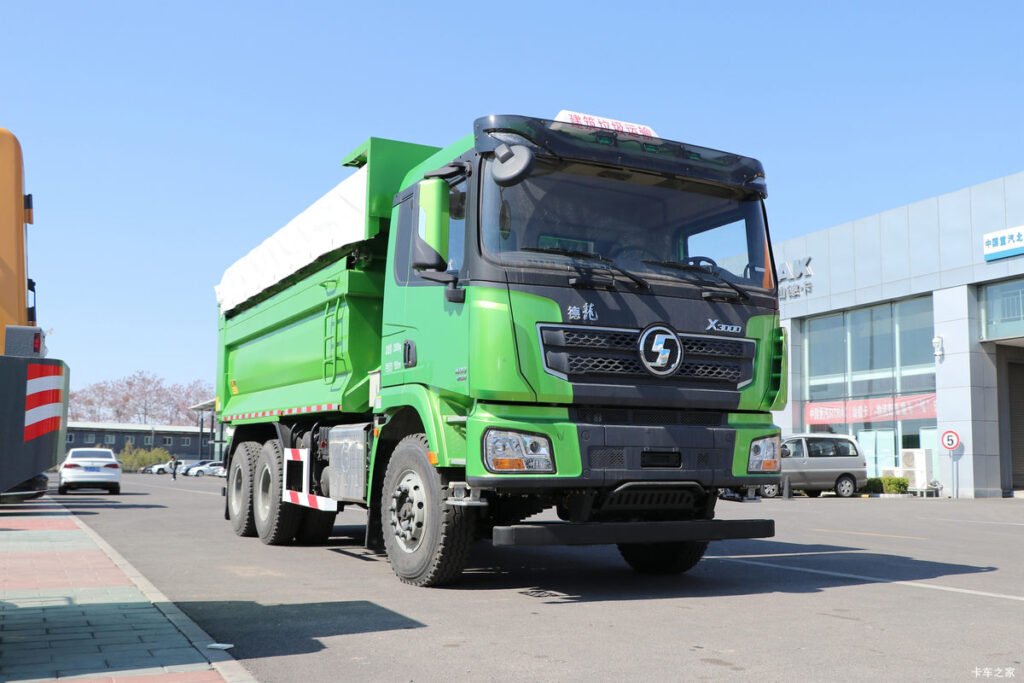
Payload capacity: what it really means
In practical terms, payload is the weight of the cargo a truck can carry safely and legally, excluding the truck’s own weight. Operators sometimes mix this up with gross vehicle weight or even engine pulling power. They are related, but they are not the same.
A simple way to think about it is:
Payload = permitted gross vehicle weight minus curb weight
The complication is that “permitted” does not come from one source only. The manufacturer may publish a technical rating, but the usable payload on the road is also shaped by local axle-load rules, bridge regulations, body installation, and even commodity type. Bulk sand, ore, aggregate, bagged cement, and palletized goods place different stress on the same chassis.
What a Shacman 6x4 layout tells you — and what it does not
A 6×4 truck has three axles in total, with two rear drive axles and one front steering axle. This layout is common in demanding transport work because it balances traction, durability, and load-bearing ability. It is widely used for dump trucks, tractor heads, cargo trucks, mixer trucks, and other vocational applications.
What the 6×4 layout suggests is that the truck is intended for heavier work than a lighter 4×2 platform. What it does not tell you is the exact payload. A Shacman 6×4 dump truck built for quarry operations may prioritize reinforced structure and off-road durability, which can increase tare weight and reduce nominal payload. A highway-focused cargo chassis may have a different balance between structure and carrying efficiency. So when people ask for the Shacman truck payload capacity for 6×4 model, the better question is: which 6×4 configuration, for which job, under which legal limit?

The main factors that determine payload
If you are evaluating a truck seriously, these are the factors worth checking before looking at any advertised figure.
1. Gross vehicle weight rating and axle ratings
The chassis starts with its rated capacity. Even if the engine can pull more, the truck is still restricted by the rated load on the front axle, rear axles, frame, suspension, and wheels. In many markets, axle-by-axle compliance matters more than the total weight alone. A truck can appear to be under its total limit and still be illegal because too much load is concentrated on one axle group.
2. Curb weight of the truck
Heavier specifications reduce available payload. Options such as reinforced chassis rails, larger fuel tanks, heavier tires, steel bumpers, PTO systems, hydraulic kits, sleeper cabs, and auxiliary equipment all add weight before any cargo is loaded. Buyers sometimes focus only on the rated GVW and overlook how quickly optional equipment eats into net payload.
3. Body type and body material
For a Shacman 6×4 dump truck, the cargo body itself is a major variable. A heavy steel box designed for rock and demolition debris is very different from a lighter body used for sand or agricultural material. The same principle applies to flatbeds, van bodies, mixers, and tankers. Body design affects not just weight, but also load distribution and center of gravity.
4. Intended road condition
Trucks working in mines, rough construction sites, or unpaved haul roads are often configured more heavily than trucks staying on paved regional routes. Suspension, frame reinforcement, and tire choice may improve durability and uptime, but they can reduce theoretical payload. There is always a trade-off between carrying more and surviving a harsh duty cycle.
5. Local regulations
This is where many cross-border purchases run into trouble. The same truck may be acceptable in one country and overweight in another because legal axle loads, vehicle dimensions, and commodity transport rules differ. Importers and fleet managers usually need to check national transport rules before confirming the final specification. This is especially important if the truck will operate across provinces, ports, or regional corridors with weighbridge enforcement.
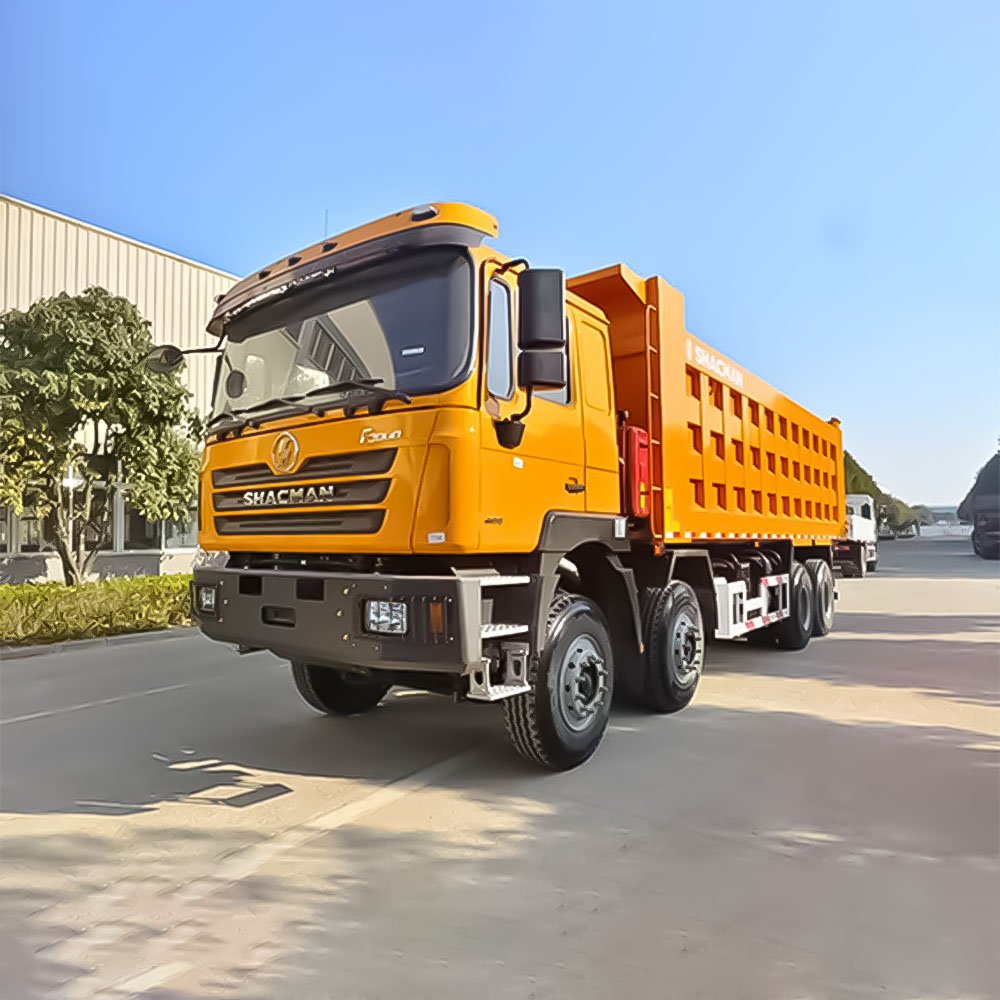
Typical use cases change the payload conversation
Not every buyer is trying to maximize payload in the same way. In heavy transport, “more” is not automatically “better.” The right payload is the one the truck can carry repeatedly without overstressing components, violating regulations, or reducing profitability through excess maintenance.
| Application | What matters most | Payload implication |
| Construction dump work | Body strength, rear suspension, tipping stability | Usable payload depends heavily on body weight and material type |
| Long-haul cargo transport | Fuel economy, legal compliance, chassis tare weight | Lighter configuration may increase net cargo weight |
| Mining or quarry service | Durability, off-road traction, reinforced structure | Higher tare weight is common, even when the truck looks “bigger” |
| Mixer or specialized equipment | Equipment weight, PTO compatibility, balance | Payload must be calculated with the mounted equipment included |
This is why a simple brochure answer rarely settles the issue. A truck that looks ideal on paper can become the wrong choice if the actual cargo is dense, the route includes weak roads, or the body builder adds more weight than expected.

How buyers should evaluate a Shacman 6x4 payload figure
If a supplier provides a payload number, ask what exactly that number includes. A useful technical discussion usually covers:
- The chassis model and wheelbase
- Front and rear axle ratings
- Curb weight with or without body
- Suspension type, tire specification, and rim rating
- Intended body dimensions and material
- Applicable road-legality standard in the destination market
Without that detail, payload figures can be misleading. Some numbers reflect a bare chassis. Others assume a standard body. Others are based on technical maximums that do not match local law. None of this means the truck is unsuitable; it simply means the specification needs to be read carefully.
A practical buyer also asks a second question: what payload can this truck carry day after day without becoming expensive to maintain? In transport operations, legal payload and economic payload are not always identical. Running constantly at the edge of the limit can increase tire wear, brake heat, suspension stress, and fuel consumption, especially on rough routes.
Common mistakes when comparing 6x4 trucks
One common mistake is comparing engine horsepower instead of load architecture. Horsepower helps the truck move, especially in hills or soft ground, but it does not define payload capacity. Another is assuming that a larger cargo body always means more effective transport. If the body is oversized for the legal axle distribution, the truck may not be able to use that volume with dense material.
There is also a frequent mismatch between imported truck specifications and local operating reality. A fleet may buy a rugged mining-style Shacman 6×4 because it looks stronger, then discover that the heavier chassis reduces allowable cargo on public roads. In other cases, a lighter highway setup gets assigned to punishing construction work and suffers from premature wear. Payload is only one part of the truck’s fitness for the job.

So, what is the payload capacity of a Shacman 6x4 truck?
The honest answer is that it varies by model and configuration, and it should be confirmed from the exact technical sheet and the legal limits in the destination market. There is no responsible way to give a single universal figure for every Shacman 6×4 truck without risking confusion.
What can be said with confidence is that Shacman 6×4 trucks are generally positioned in the heavy-duty segment where payload planning is tied closely to application: dump transport, freight, engineering work, or specialized body installation. If you are assessing the Shacman truck payload capacity for 6×4 model, the most reliable path is to calculate from rated gross weight, subtract real curb weight in working trim, and then check that result against axle-load and road regulations where the truck will operate.
That sounds less convenient than asking for one number, but it is how costly mistakes are avoided. In truck procurement, the best payload figure is not the biggest one in a brochure. It is the one that remains legal, stable, durable, and profitable once the truck is actually on the road.
Before making a final decision, it is worth confirming the complete chassis specification, planned body weight, cargo density, and route conditions. Those four details usually tell you far more than any headline payload claim ever will.