For fleet owners and independent operators planning long-distance transport, choosing between a 6×4 and 4×2 HOWO tractor truck directly affects payload capacity, fuel economy, traction, and overall operating cost. Each layout offers distinct commercial advantages depending on road conditions, cargo demands, and regional regulations. Understanding these differences is essential for making a practical, cost-effective investment in your fleet.
On paper, the choice can look straightforward: a 4×2 tractor has fewer axles, making it lighter and cheaper to maintain, while a 6×4 tractor provides superior traction and higher gross combination weight (GCW) capacity. In real-world logistics, however, the right decision depends on route quality, local axle load regulations, trailer type, and typical cargo density.
That is why the better question is not which drive configuration is “better” in general, but which one fits your specific transport routes and revenue model over time.
What 6x4 and 4x2 Mean in Practical Terms
A 4×2 tractor truck has two axles in total (4 wheels x 2 driven wheels), with power delivered to the single rear axle.
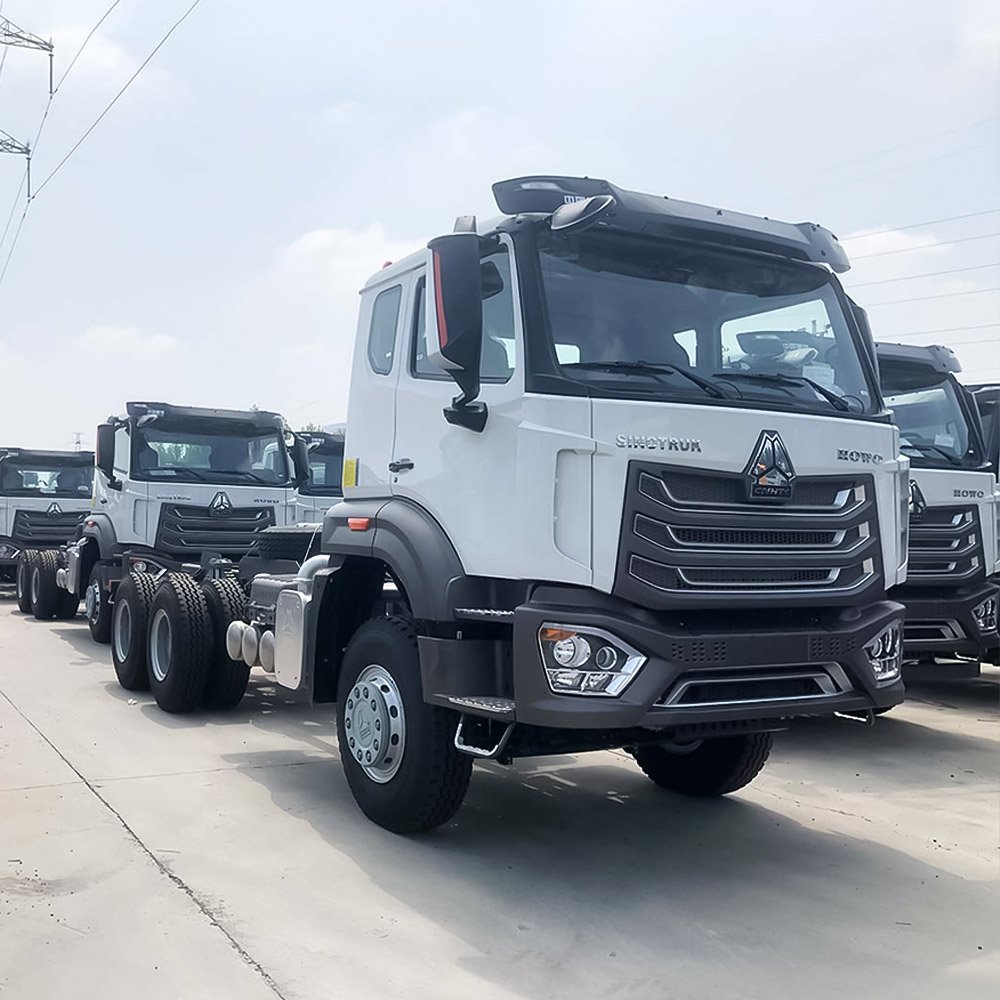
A 6×4 tractor truck has three axles in total (6 wheels x 4 driven wheels), with power delivered to both tandem rear axles.
In day-to-day operations, this structural difference changes far more than just towing capacity. It alters vehicle tare weight, turning radius, fuel consumption, tire wear patterns, and how load weight is distributed across bridges and highway scales.
When selecting a HOWO tractor truck, matching the chassis layout to your operational reality ensures you get the maximum return on investment without overpaying for unnecessary capacity or underpowering heavy jobs.

Why 4x2 HOWO Tractors Excel in Standard Highway Freight
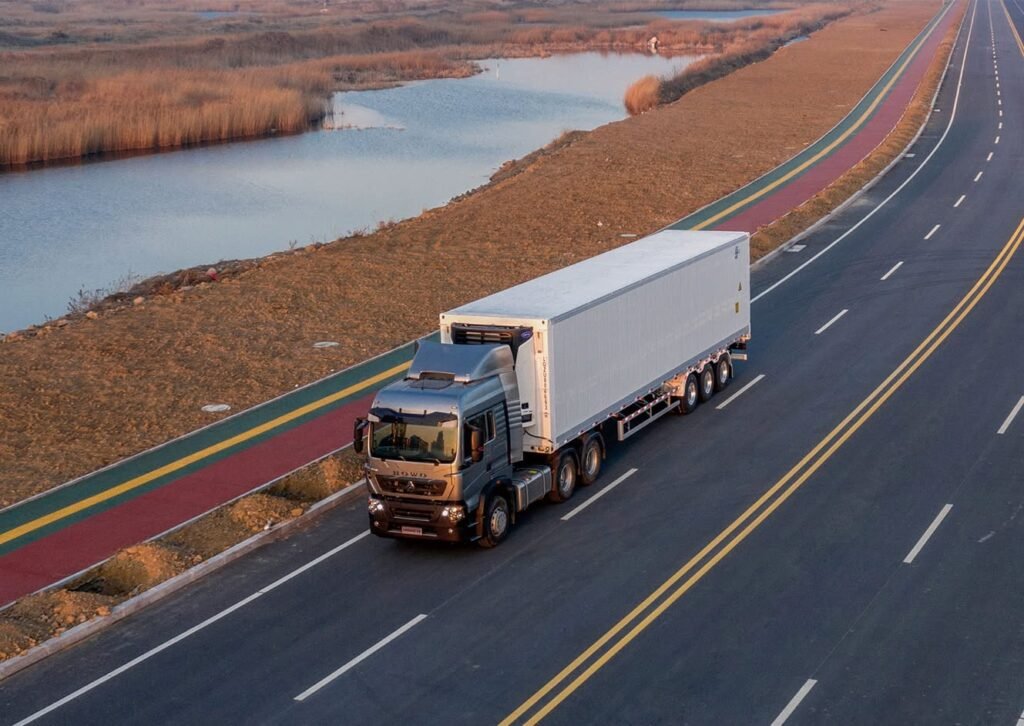
A 4×2 HOWO tractor truck is often the most economical choice for operators moving light-to-medium cargo over paved roads.
Superior Fuel Efficiency: With one less axle, fewer tires, and a lighter chassis tare weight, a 4×2 tractor requires less engine power to maintain highway speeds, leading to lower monthly fuel bills.
Lower Maintenance & Ownership Costs: Having fewer tires, brake shoes, suspension bushings, and no inter-axle differential means lower routine maintenance costs and reduced downtime.
Easier Maneuverability: A shorter wheelbase gives the 4×2 a significantly tighter turning radius, making it ideal for navigating crowded ports, narrow warehouse gates, and urban logistics hubs.
For container transport, express logistics, consumer goods, and light manufacturing freight on smooth, paved highways, a 4×2 HOWO tractor delivers the cleanest, most cost-effective cost-per-kilometer structure.


When a 6x4 HOWO Tractor Is the Necessary Choice
A 6×4 HOWO tractor truck becomes essential when operations involve heavier payloads, challenging road conditions, or strict axle-load enforcement.
Higher Payload & GCW Capacity: Dual rear axles spread cargo weight over a broader surface area, allowing you to pull heavier trailers and dense bulk freight legally.
Superior Traction & Stability: Dual-driven axles provide critical traction on steep gradients, unpaved port roads, muddy construction corridors, and slippery highway surfaces.
Strict Axle Load Compliance: In many countries across Africa, Southeast Asia, and South America, transport authorities enforce strict weight limits per axle. A 6×4 layout distributes kingpin load more evenly, helping fleets avoid costly overload penalties.
If your fleet transports steel coils, bulk cement, heavy machinery, or operates on routes that mix highway driving with unpaved last-mile access, the 6×4 HOWO tractor provides the extra strength, stability, and durability required.
Side-by-Side Comparison: 6x4 vs 4x2 HOWO Tractor Truck
| Factor | 4×2 HOWO Tractor Truck | 6×4 HOWO Tractor Truck |
| Axle Configuration | 2 Axles (Single Driven Rear Axle) | 3 Axles (Tandem Driven Rear Axles) |
| Typical Payload Suitability | Standard / Light-to-Medium Freight | Heavy-Duty / High-Tonnage Freight |
| Fuel Economy | Excellent (Lighter Tare Weight) | Moderate (Higher Rolling Resistance) |
| Maintenance Cost | Lower (Fewer Tires & Components) | Higher (More Wear Parts & Axle Service) |
| Traction & Off-Road Ability | Standard (Highway Focused) | High (Ideal for Slopes & Mixed Roads) |
| Axle Weight Distribution | Concentrated on Single Rear Axle | Evenly Distributed Across Rear Tandem |
| Maneuverability | Outstanding (Shorter Turning Radius) | Standard (Longer Wheelbase) |
| Best Operational Fit | Containers, Express Freight, Paved Roads | Bulk Cargo, Heavy Machinery, Mixed Terrain |
The Route and Regulations Often Decide More Than Cargo Alone
Many fleet buyers focus purely on how much weight the engine can pull. However, route quality and local transport laws are often the real deciding factors.
Highway vs. Mixed Terrain: Driving 1,000 kilometers on a smooth interstate requires very different vehicle specs than driving 500 kilometers over unpaved regional bypasses or steep mountain passes.
Axle Enforcement vs. Total Weight: A 4×2 tractor pulling a heavy 3-axle semi-trailer might stay under total gross combination weight limits, but it can easily exceed maximum allowed weight on its single drive axle. A 6×4 solves this problem immediately.
Key Rule of Thumb: If 80% or more of your routes consist of paved highways with standard container loads, choose the 4×2 to maximize fuel savings. If your trucks frequently pull heavy bulk cargo, encounter steep slopes, or face strict axle-load weighbridges, the 6×4 is the safer, more durable choice.
Checklist Before Placing Your HOWO Order
Before finalizing your tractor truck specifications, verify these critical operational details:
Target Payload Profile: What is your average gross cargo weight per trip across a typical month?
Road Conditions: What percentage of your routes involves steep inclines, mud, gravel, or broken pavement?
Trailer Pairing: What type of semi-trailer will be hitched (e.g., 2-axle/3-axle flatbed, container chassis, or tanker)?
Local Axle Regulations: What are the exact legal weight limits per drive axle in your operating countries?
Horsepower Selection: Match your layout with the right engine output (e.g., 290HP–371HP for 4×2; 371HP–440HP+ for 6×4).
Final Verdict: Which Should Buyers Choose?
Choose a 4×2 HOWO Tractor Truck if: You specialize in standard highway long-haul, port container drayage, or light-to-medium freight where minimizing fuel consumption and lowering initial purchase and maintenance costs are your top priorities.
Choose a 6×4 HOWO Tractor Truck if: You transport heavy bulk commodities, pull high-tonnage semi-trailers, operate in regions with strict per-axle weight limits, or regularly drive on unpaved roads and steep slopes.
Need Expert Technical Advice on Selecting Your HOWO Tractor Truck?
Selecting the ideal drive layout (6×4 or 4×2), engine horsepower (290HP, 371HP, 400HP, 430HP), and gear ratio setup is essential for maximizing your transport profitability.
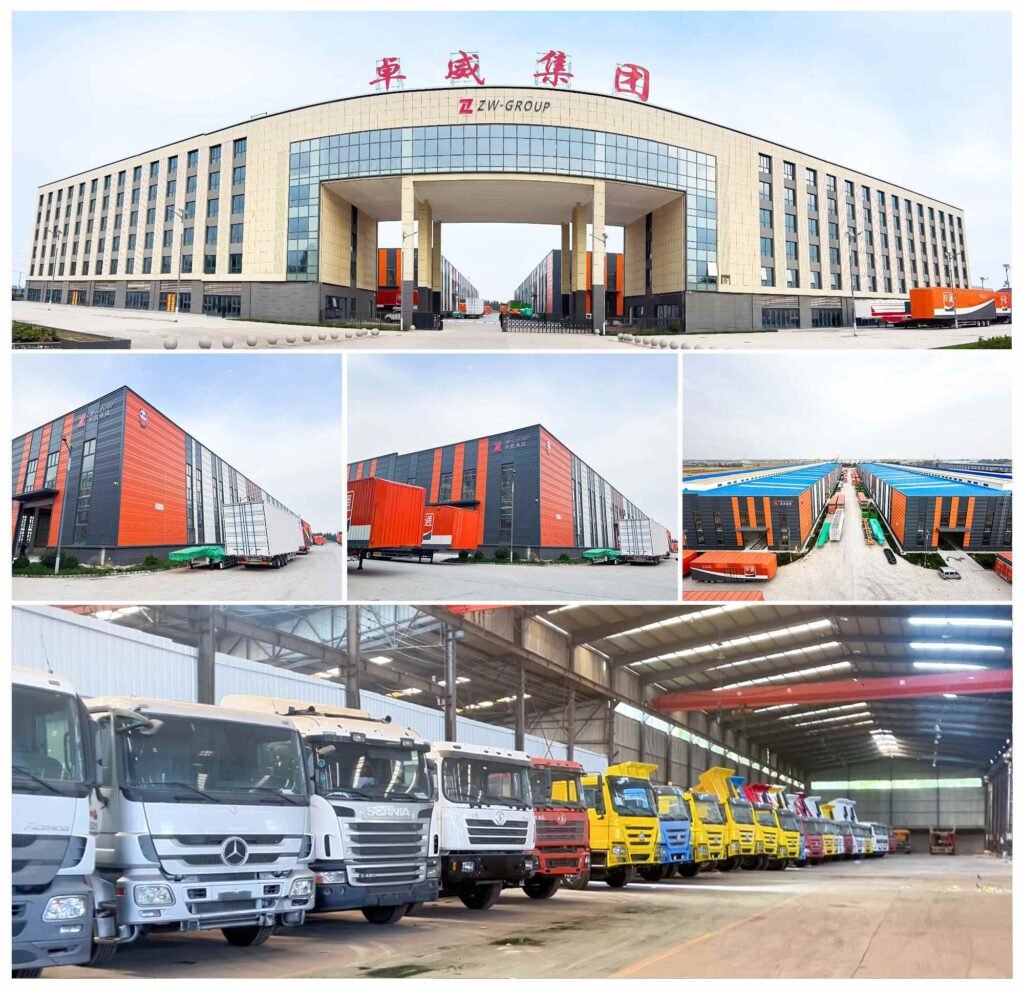
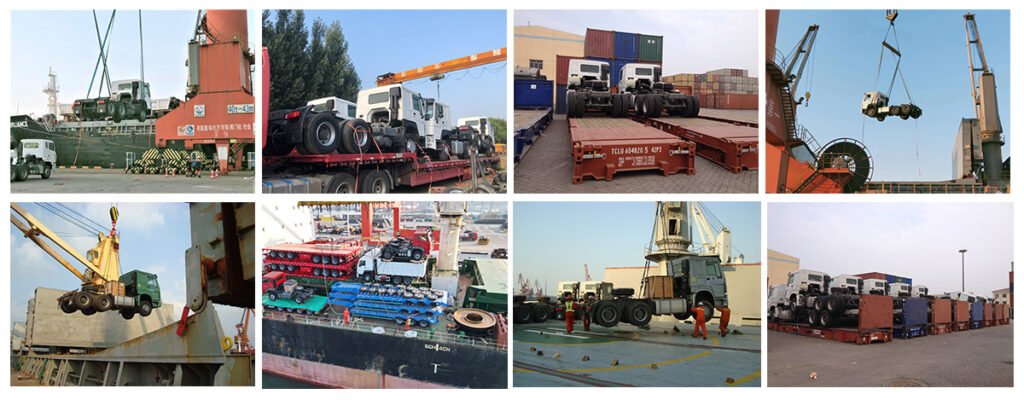
At Shandong ZW Vehicle Group Co., Ltd., we supply factory-direct HOWO & HOWO MAX tractor trucks customized to meet your local road regulations and cargo demands across Africa, Southeast Asia, and South America.
📩 Contact our sales engineering team today for factory-direct quotes and technical specifications!